Search by Keyword
|
“I SAW HER STANDING THERE”
(Paul McCartney – John Lennon)
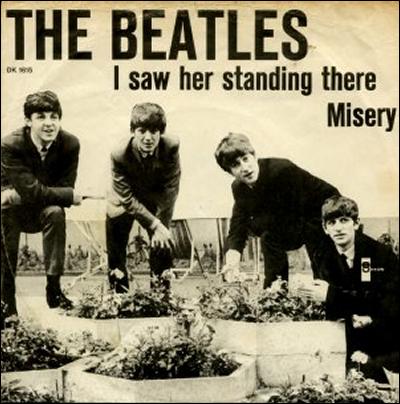
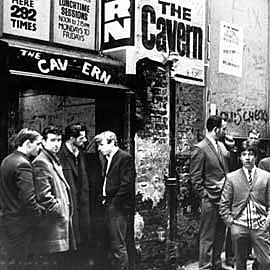
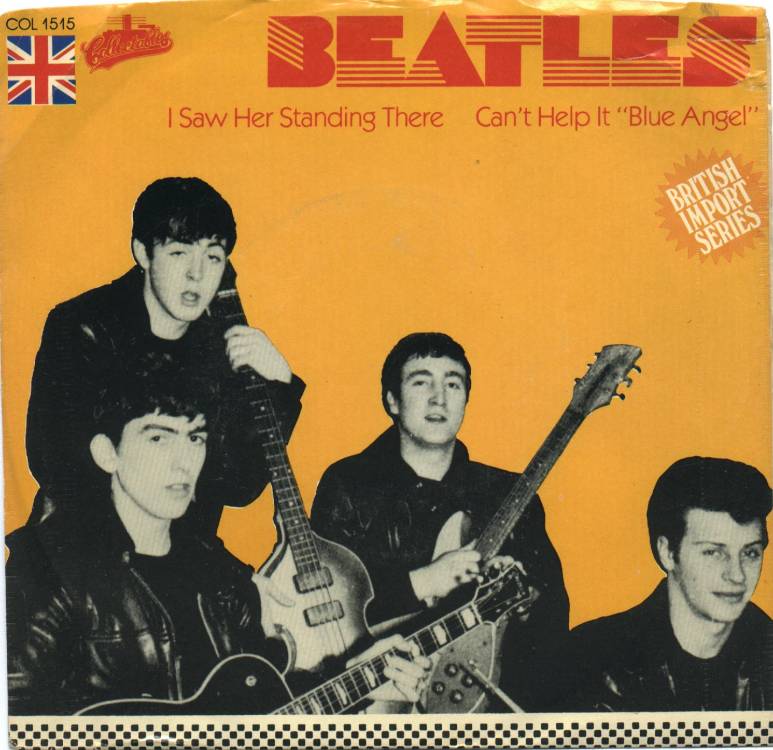
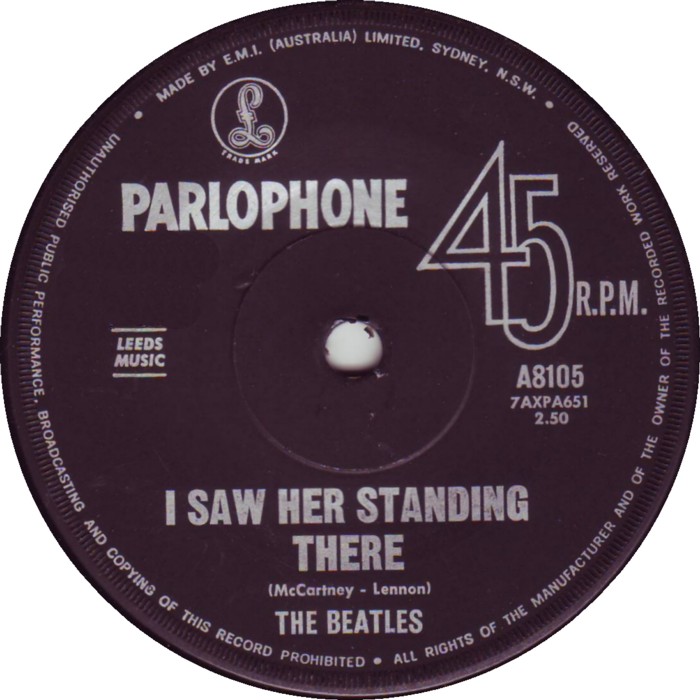
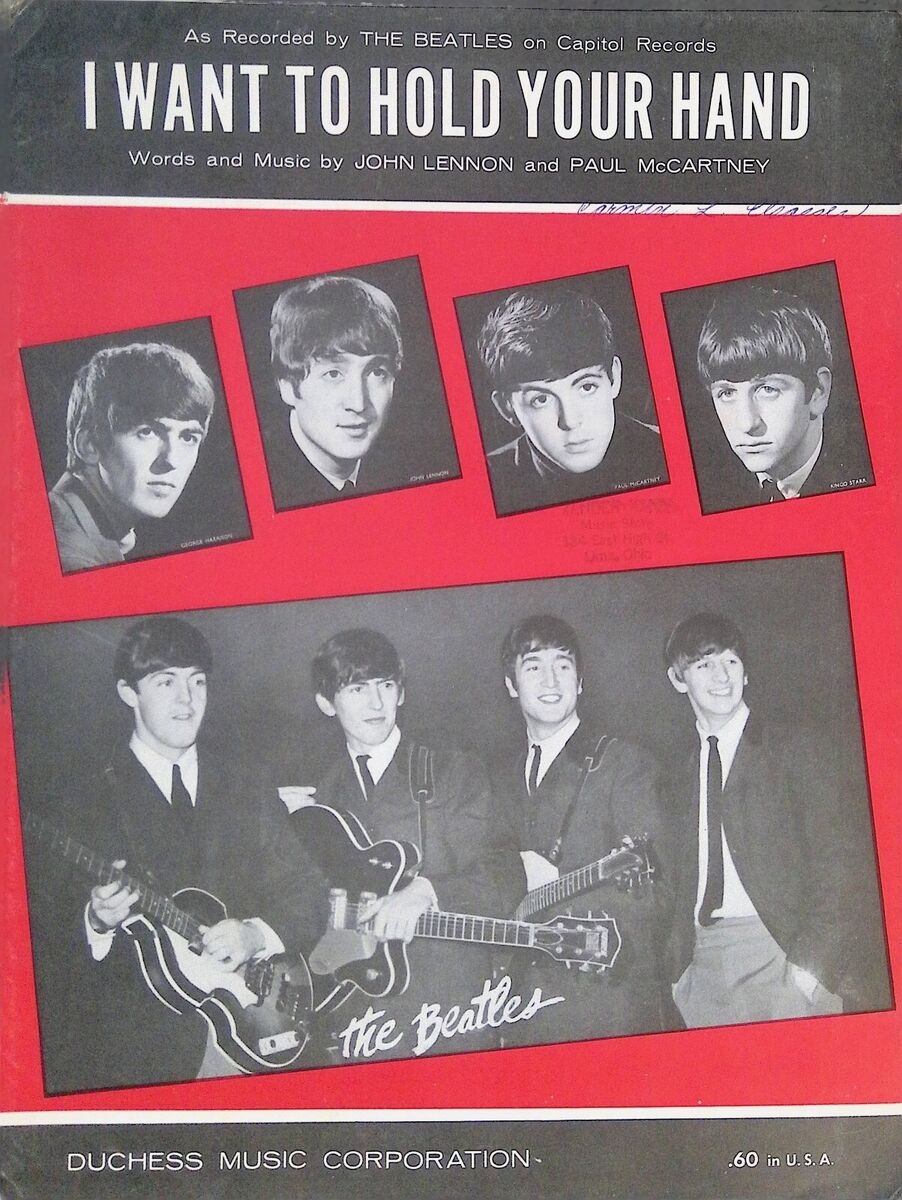 “I Saw Her Standing There” has the distinction of being one of the very first Beatles songs heard in the United States, thanks to being chosen by Capitol records as the flip side to their first charted single, “I Want To Hold Your Hand” (released December 26th, 1963). It was also an excellent representation of what their music was all about. The Beatles worked hard to absorb, as well as help create, the “beat” music craze that swept through Liverpool, London and even Hamburg, Germany in the early '60s. This song, unlike most others recorded this early on in their career, is an accurate reflection of the swinging dance sound they were known for at the Cavern Club and other dance halls around their home town. So, while American youth snapped their fingers and sang along to “I Want To Hold Your Hand,” when they heard “I Saw Her Standing There,” they got up and danced! “I Saw Her Standing There” has the distinction of being one of the very first Beatles songs heard in the United States, thanks to being chosen by Capitol records as the flip side to their first charted single, “I Want To Hold Your Hand” (released December 26th, 1963). It was also an excellent representation of what their music was all about. The Beatles worked hard to absorb, as well as help create, the “beat” music craze that swept through Liverpool, London and even Hamburg, Germany in the early '60s. This song, unlike most others recorded this early on in their career, is an accurate reflection of the swinging dance sound they were known for at the Cavern Club and other dance halls around their home town. So, while American youth snapped their fingers and sang along to “I Want To Hold Your Hand,” when they heard “I Saw Her Standing There,” they got up and danced!
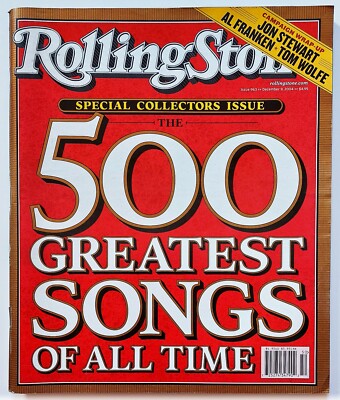 "I've written a lot of songs, but certain ones stand out," Paul explained in his 2021 book "The Lyrics." He added: "If I had to choose what I thought was my best work over the years, I would probably include 'I Saw Her Standing There.' - No, I would definitely include this one." Rolling Stone magazine concurs, ranking this song as #139 in their "500 Greatest Songs Of All Time" list in 2004. "I've written a lot of songs, but certain ones stand out," Paul explained in his 2021 book "The Lyrics." He added: "If I had to choose what I thought was my best work over the years, I would probably include 'I Saw Her Standing There.' - No, I would definitely include this one." Rolling Stone magazine concurs, ranking this song as #139 in their "500 Greatest Songs Of All Time" list in 2004.
Songwriting History
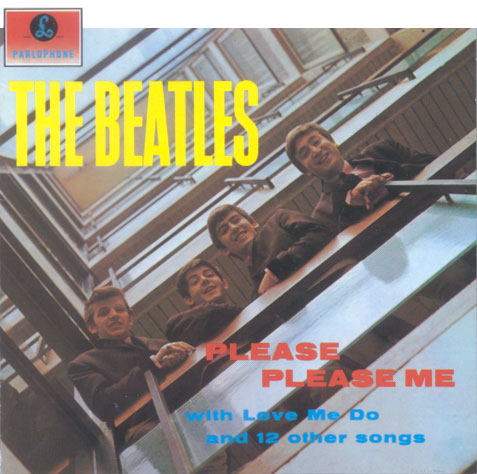 "That's Paul doing his usual good job of producing what (our producer) George Martin used to call a 'potboiler'," stated John Lennon about "I Saw Her Standing There." George Martin's usual habit was to choose such a song as an opening track to The Beatles' albums, a practice he started here on their British "Please Please Me" album. "That's Paul doing his usual good job of producing what (our producer) George Martin used to call a 'potboiler'," stated John Lennon about "I Saw Her Standing There." George Martin's usual habit was to choose such a song as an opening track to The Beatles' albums, a practice he started here on their British "Please Please Me" album.
The history of the song, as can be determined by deciphering interviews throughout the years, dates back to October 22nd, 1962. "I thought of the idea driving home from a concert in Southport," says McCartney. The Beatles played various times in 1962 in Southport, Merseyside, such as July 23rd or July 26th, but recollections that are related in Mark Lewisohn's book "Tune In" suggest that Paul had to have been remembering the trip back from a performance at Queens Hall in Widnes on October 22nd, 1962.
 After their gigs, The Beatles would commonly frequent "Hurricaneville," the family home of Rory Storm and his sister Iris Caldwell, one of the girls Paul was dating at the time. The true inspiration for "I Saw Her Standing There," although unnamed during that time, apparently popped into Paul's head on the way to Hurricaneville on this evening and, upon his arrival, he grabbed an acoustic guitar to figure it out before he forgot it. He had the first two lines sketched in, which were "She was just seventeen / She'd never been a beauty queen," and then he let it ruminate in his mind for awhile. Rory Storm, blown away by witnessing a song being written before his eyes, asked Paul if he could have it exclusively for use with his group "Rory Storm And The Hurricanes" (which formerly included Ringo Starr on drums). Paul said yes, but most likely quickly forgot about this verbal agreement shortly thereafter. After their gigs, The Beatles would commonly frequent "Hurricaneville," the family home of Rory Storm and his sister Iris Caldwell, one of the girls Paul was dating at the time. The true inspiration for "I Saw Her Standing There," although unnamed during that time, apparently popped into Paul's head on the way to Hurricaneville on this evening and, upon his arrival, he grabbed an acoustic guitar to figure it out before he forgot it. He had the first two lines sketched in, which were "She was just seventeen / She'd never been a beauty queen," and then he let it ruminate in his mind for awhile. Rory Storm, blown away by witnessing a song being written before his eyes, asked Paul if he could have it exclusively for use with his group "Rory Storm And The Hurricanes" (which formerly included Ringo Starr on drums). Paul said yes, but most likely quickly forgot about this verbal agreement shortly thereafter.
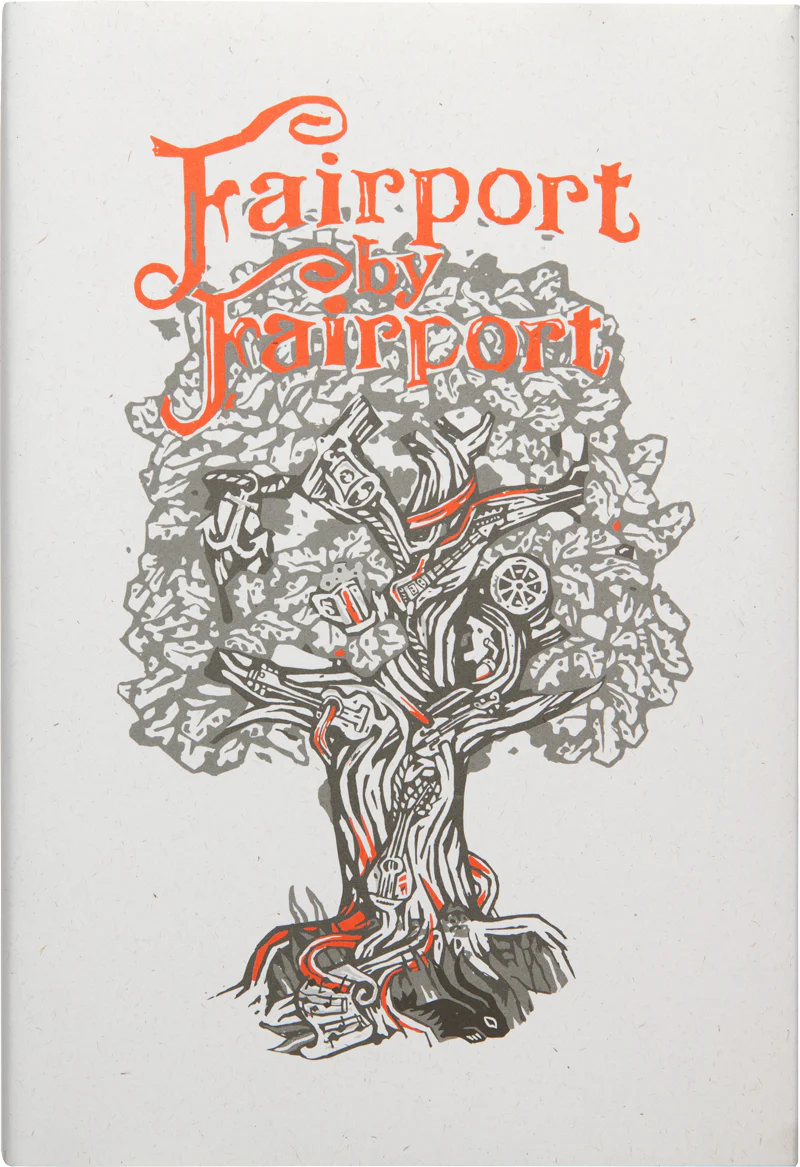 The first lyrics Paul jotted down for this new song idea, as seen above, comprised the following: "You're just seventeen / You act like a queen / your...are beyond compare / So how could I dance with another / when I see you standing there." It has been suggested by Nigel Schofield in his book "Fairport By Fairport" that Paul was lyrically inspired by the English folk song "Seventeen Come Sunday," also known as "As I Roved About," that McCartney had become familiar with sometime in 1960. The first lyrics Paul jotted down for this new song idea, as seen above, comprised the following: "You're just seventeen / You act like a queen / your...are beyond compare / So how could I dance with another / when I see you standing there." It has been suggested by Nigel Schofield in his book "Fairport By Fairport" that Paul was lyrically inspired by the English folk song "Seventeen Come Sunday," also known as "As I Roved About," that McCartney had become familiar with sometime in 1960.
.jpg) With a couple of free days, Paul and another girlfriend, Celia Mortimer, decided to hitchhike to London together to visit his old friend Ivan Vaughan (who had introduced Paul to John back in 1957). In the book "Tune In," Celia Mortimer remembers the events of this adventure, which began on October 24th, 1962: "We had an amazing time, just wandering streets in the sunshine, looking at London, holding hands and having fun, and Paul had the melody of what became 'I Saw Her Standing There' going round his head all day, humming it and singing it and fleshing out the words. I remember walking around some lovely, elegant squares...while he made up rhyming lines and asked me what I thought of them. He said, 'What rhymes with 'We danced through the night'? and I came up with 'We held each other tight,' which was really quite naff, but he used it. He'd worked out a fair bit of the lyric by the end of the day." With a couple of free days, Paul and another girlfriend, Celia Mortimer, decided to hitchhike to London together to visit his old friend Ivan Vaughan (who had introduced Paul to John back in 1957). In the book "Tune In," Celia Mortimer remembers the events of this adventure, which began on October 24th, 1962: "We had an amazing time, just wandering streets in the sunshine, looking at London, holding hands and having fun, and Paul had the melody of what became 'I Saw Her Standing There' going round his head all day, humming it and singing it and fleshing out the words. I remember walking around some lovely, elegant squares...while he made up rhyming lines and asked me what I thought of them. He said, 'What rhymes with 'We danced through the night'? and I came up with 'We held each other tight,' which was really quite naff, but he used it. He'd worked out a fair bit of the lyric by the end of the day."
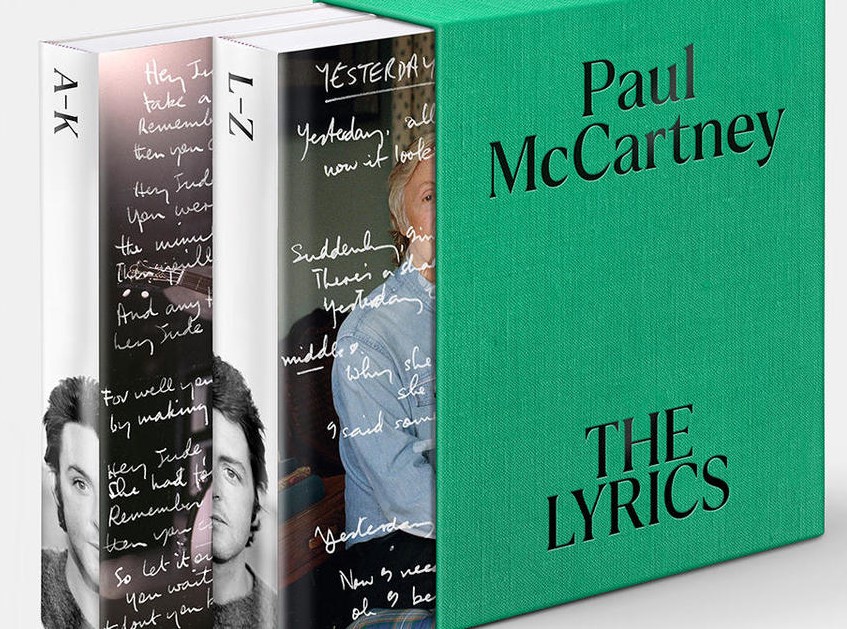 "At school I'd heard my English teacher, Alan Durband, talking about the rhyming couplet from the end of a Shakespeare sonnet," Paul recounts in his book "The Lyrics" about the words he came up with for this song. "I don't know where 'beyond campare' came from, but it might have come out of Sonnet 18: 'Shall I compare thee to a summer's day?' Also, I may even have been conscious, as a child, of the Irish song tradition - of a woman being described as 'beyond compare.' In any case, it's not what you would expect in rock and roll. And like I say, I don't know where I dredged it from, but in the great trawling net of my youth, it just got caught up like a dolphin." "At school I'd heard my English teacher, Alan Durband, talking about the rhyming couplet from the end of a Shakespeare sonnet," Paul recounts in his book "The Lyrics" about the words he came up with for this song. "I don't know where 'beyond campare' came from, but it might have come out of Sonnet 18: 'Shall I compare thee to a summer's day?' Also, I may even have been conscious, as a child, of the Irish song tradition - of a woman being described as 'beyond compare.' In any case, it's not what you would expect in rock and roll. And like I say, I don't know where I dredged it from, but in the great trawling net of my youth, it just got caught up like a dolphin."
 But was there a woman in mind that Paul was singing about? Writers suggest girlfriend Iris Caldwell, but Celia Mortimer has stated otherwise. "I felt like the song was about us, but it was not said. It was implicit, but was difficult to state openly because it would have made things terribly intimate. But I was very flattered and it became for me an abiding memory of our trip to London." Interestingly, Celia Mortimer was indeed "seventeen" during that time and the two of them actually did "dance through the night." Coincidence? But was there a woman in mind that Paul was singing about? Writers suggest girlfriend Iris Caldwell, but Celia Mortimer has stated otherwise. "I felt like the song was about us, but it was not said. It was implicit, but was difficult to state openly because it would have made things terribly intimate. But I was very flattered and it became for me an abiding memory of our trip to London." Interestingly, Celia Mortimer was indeed "seventeen" during that time and the two of them actually did "dance through the night." Coincidence?
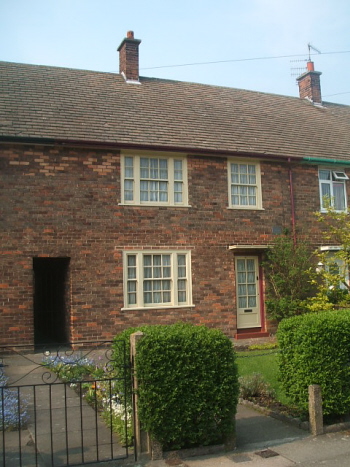 Then, most likely in the final days of November 1962, just before their final Hamburg residency, Paul and John got together at Paul's home on 20 Forthlin Road in Liverpool to complete the song. "I wrote it with John in the front parlor of my house in 20 Forthlin Road, Allerton," Paul stated in Mark Lewisohn's book "The Complete Beatles Recording Sessions." "We sagged off of school and wrote it on guitars and a little bit on the piano that I had there." In his book "The Lyrics," Paul relates: "I first played this song to John when he and I got together to smoke tea in my dad's pipe. (And when I say tea, I mean tea.)" The title of the song was reportedly “Seventeen” at this stage, but was inevitably changed to correspond with what was to become their established songwriting structure of ending every verse with the title of the song. It also allows the song's title to contain a personal pronoun (“I”) which they tried to put into their titles so that their fans could personally relate to their songs. Interestingly, The Beatles felt confident enough in this new composision to perform it at the Star-Club during their fifth and final residency in Hamburg, Germany, which ran from December 18th through 31st, 1962. Then, most likely in the final days of November 1962, just before their final Hamburg residency, Paul and John got together at Paul's home on 20 Forthlin Road in Liverpool to complete the song. "I wrote it with John in the front parlor of my house in 20 Forthlin Road, Allerton," Paul stated in Mark Lewisohn's book "The Complete Beatles Recording Sessions." "We sagged off of school and wrote it on guitars and a little bit on the piano that I had there." In his book "The Lyrics," Paul relates: "I first played this song to John when he and I got together to smoke tea in my dad's pipe. (And when I say tea, I mean tea.)" The title of the song was reportedly “Seventeen” at this stage, but was inevitably changed to correspond with what was to become their established songwriting structure of ending every verse with the title of the song. It also allows the song's title to contain a personal pronoun (“I”) which they tried to put into their titles so that their fans could personally relate to their songs. Interestingly, The Beatles felt confident enough in this new composision to perform it at the Star-Club during their fifth and final residency in Hamburg, Germany, which ran from December 18th through 31st, 1962.
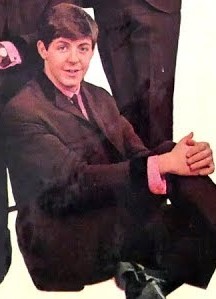 "'I Saw Her Standing There' was my original," explained McCartney. "I'd started it and I had the first verse, which therefore gave me the (melody), the tempo and the key. It gave you the subject matter, a lot of the information and then you had to fill in...With John and me on a song, if I come up with some lines which I know aren't really very good and I am just hoping to fool him, I know I won't. 'I Saw Him Standing There' was the best example of it...I had 'She was just seventeen,' and then 'beauty queen.' I knew this was rubbish, and that I'd put it down just because it rhymed. When I showed it to John, he screamed with laughter and said, 'You're joking about that line, aren't you?' And I realized that, in fact, I was, and we changed it." "'I Saw Her Standing There' was my original," explained McCartney. "I'd started it and I had the first verse, which therefore gave me the (melody), the tempo and the key. It gave you the subject matter, a lot of the information and then you had to fill in...With John and me on a song, if I come up with some lines which I know aren't really very good and I am just hoping to fool him, I know I won't. 'I Saw Him Standing There' was the best example of it...I had 'She was just seventeen,' and then 'beauty queen.' I knew this was rubbish, and that I'd put it down just because it rhymed. When I showed it to John, he screamed with laughter and said, 'You're joking about that line, aren't you?' And I realized that, in fact, I was, and we changed it."
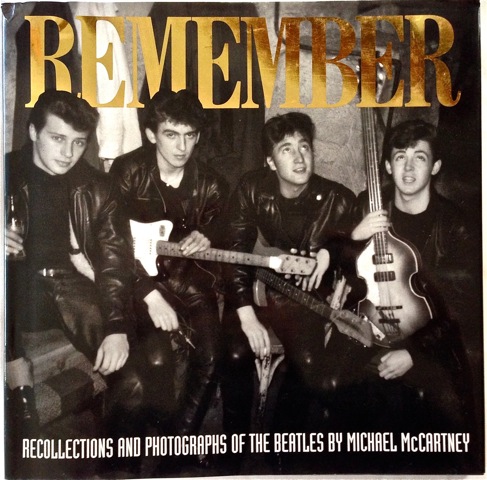 "I helped with a couple of the lyrics," recalled John. Paul elaborated: "We stopped there and both of us cringed at that and said, 'No, no, no. Beauty queen is out! There's got to be another rhyme for seventeen.' So we went through the alphabet: 'between,' 'clean,' 'lean,' 'mean.' 'She wasn't mean; you know what I mean; great! Put that in.' And then the significance of it built as we sang it and people picked up on the implied significance later. It was a good way out of that problem. So it was co-written, my idea, and we finished it that day." The innuendo "you know what I mean," quite possibly suggesting hooking up with an underage girl, was then added to the lyrics they were writing in a Liverpool Institute exercise book, this song containing many scribbled out ideas. In his 1992 book "Remember: The Recollections And Photographs Of The Beatles," Paul's brother Michael McGear published a picture he had taken on this day of Paul strumming a cheap Spanish acoustic guitar (possibly a Framus model) and John with his newly acquired Gibson J-160E as they both huddled around the exercise book which was on the floor. During a 2018 interview with GQ magazine, Paul related details of the above story and concluded by saying "and that started our songwriting partnership," inferring that this song was the very first Lennon / McCartney collaboration. "I helped with a couple of the lyrics," recalled John. Paul elaborated: "We stopped there and both of us cringed at that and said, 'No, no, no. Beauty queen is out! There's got to be another rhyme for seventeen.' So we went through the alphabet: 'between,' 'clean,' 'lean,' 'mean.' 'She wasn't mean; you know what I mean; great! Put that in.' And then the significance of it built as we sang it and people picked up on the implied significance later. It was a good way out of that problem. So it was co-written, my idea, and we finished it that day." The innuendo "you know what I mean," quite possibly suggesting hooking up with an underage girl, was then added to the lyrics they were writing in a Liverpool Institute exercise book, this song containing many scribbled out ideas. In his 1992 book "Remember: The Recollections And Photographs Of The Beatles," Paul's brother Michael McGear published a picture he had taken on this day of Paul strumming a cheap Spanish acoustic guitar (possibly a Framus model) and John with his newly acquired Gibson J-160E as they both huddled around the exercise book which was on the floor. During a 2018 interview with GQ magazine, Paul related details of the above story and concluded by saying "and that started our songwriting partnership," inferring that this song was the very first Lennon / McCartney collaboration.
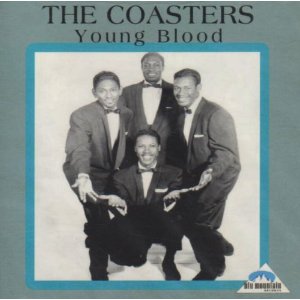 "John and I used to nick a lot," Paul explains, this word being a polite way of saying they stole ideas from favorite songs of theirs. "If you really nick then it's a disaster, but (the way we did) it just gets you into the song, and in the end you never notice where it was nicked from. You put it all together and it makes something original." Author Mark Lewisohn gives some "nick" examples found in "I Saw Her Standing There," one being the lyric "I saw her standing on the corner" from The Coasters' hit "Youngblood," the line "She's too cute to be a minute over seventeen" from Chuck Berry's "Little Queenie" (both songs being part of The Beatles' set list at this time) and the melody line of The Beatles' lyric "How could I dance with another / since I saw her standing there" being nearly identical to "I want to be in that number / when the saints go marching in" (a song that Paul learned on the trumpet back in 1955). "John and I used to nick a lot," Paul explains, this word being a polite way of saying they stole ideas from favorite songs of theirs. "If you really nick then it's a disaster, but (the way we did) it just gets you into the song, and in the end you never notice where it was nicked from. You put it all together and it makes something original." Author Mark Lewisohn gives some "nick" examples found in "I Saw Her Standing There," one being the lyric "I saw her standing on the corner" from The Coasters' hit "Youngblood," the line "She's too cute to be a minute over seventeen" from Chuck Berry's "Little Queenie" (both songs being part of The Beatles' set list at this time) and the melody line of The Beatles' lyric "How could I dance with another / since I saw her standing there" being nearly identical to "I want to be in that number / when the saints go marching in" (a song that Paul learned on the trumpet back in 1955).
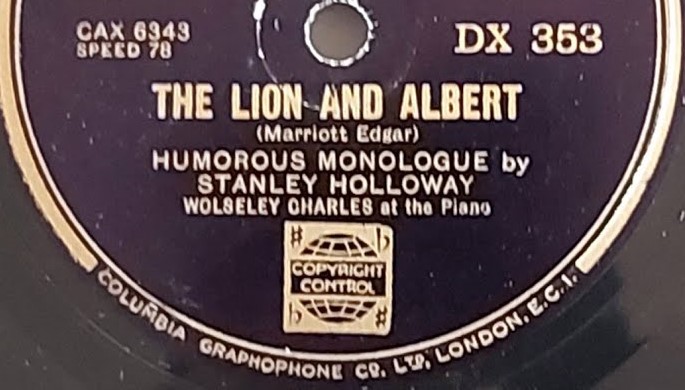 Concerning the full lyric "She was just seventeen / You know what I mean / And they way she looked / was way beyond compare," McCartney recalled in "The Lyrics" that the "rhythm echoes Stanley Holloway's 'The Lion And Albert.' It was a comic poem written by Marriott Edgar that has a similar metre." Concerning the full lyric "She was just seventeen / You know what I mean / And they way she looked / was way beyond compare," McCartney recalled in "The Lyrics" that the "rhythm echoes Stanley Holloway's 'The Lion And Albert.' It was a comic poem written by Marriott Edgar that has a similar metre."
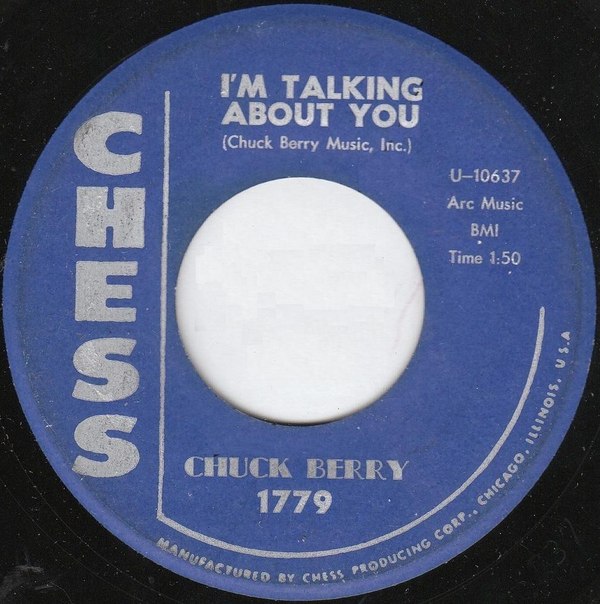 Another interesting "nick" was that the bass line that McCartney incorporated into this song was pilfered directly from the 1961 Chuck Berry classic "I’m Talking About You," a song that The Beatles played regularly during 1962 and is featured on the albums "Live! At The Star-Club In Hamburg, Germany; 1962" and "On Air - Live At The BBC Volume 2." "I played exactly the same notes as he did and it fitted our number perfectly," McCartney relates in "Beat Instrumental." "Even now, when I tell people about it, I find few of them believe me. Therefore I maintain that a bass riff doesn't have to be original." Another interesting "nick" was that the bass line that McCartney incorporated into this song was pilfered directly from the 1961 Chuck Berry classic "I’m Talking About You," a song that The Beatles played regularly during 1962 and is featured on the albums "Live! At The Star-Club In Hamburg, Germany; 1962" and "On Air - Live At The BBC Volume 2." "I played exactly the same notes as he did and it fitted our number perfectly," McCartney relates in "Beat Instrumental." "Even now, when I tell people about it, I find few of them believe me. Therefore I maintain that a bass riff doesn't have to be original."
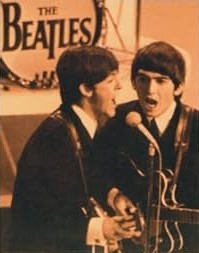 This was the first Beatles song released that features a high falsetto “ooh.” This feature became a staple of the earlier catalog of hits, as they closed their eyes, shook their heads, and reached up for their higher falsetto notes during their performances, thus creating a frenzied reaction especially from admiring teen girls. Such was the impact on American audiences as they caught their first glimpse of the band on the Ed Sullivan Show in 1964. This was the first Beatles song released that features a high falsetto “ooh.” This feature became a staple of the earlier catalog of hits, as they closed their eyes, shook their heads, and reached up for their higher falsetto notes during their performances, thus creating a frenzied reaction especially from admiring teen girls. Such was the impact on American audiences as they caught their first glimpse of the band on the Ed Sullivan Show in 1964.
Recording History
 Their first recording of "I Saw Her Standing There" occurred during a taped rehearsal, presumably at one of eight performances The Beatles played at Liverpool's Cavern Club in December of 1962. No rhythm guitar is heard on this live recording, John playing harmonica instead throughout the song. It appears that they weren't all that familiar with the song quite yet, the solo section being played quite roughly by George on lead guitar and John on harmonica, McCartney covering up their inadequacies with some vocalization. After this, Paul mistakenly sings the lyrics to the last verse during the bridge, which results in some laughter by Paul as he realizes his mistake, the conclusion of the song then flizzling out in a haphazard manner. Since their new producer George Martin and his assistant (and future wife) Judy Lockhart-Smith attended their December 9th, 1962 show at the Cavern Club, it's possible that they were premeiring a new original composition for consideration for their upcoming first album. "I had been up to The Cavern and I'd seen what they could do," George Martin recalled about this day. "I knew their repertoire and I said, 'Let's record every song you've got, come down to the studios and we'll just whistle through them in a day.'" Their first recording of "I Saw Her Standing There" occurred during a taped rehearsal, presumably at one of eight performances The Beatles played at Liverpool's Cavern Club in December of 1962. No rhythm guitar is heard on this live recording, John playing harmonica instead throughout the song. It appears that they weren't all that familiar with the song quite yet, the solo section being played quite roughly by George on lead guitar and John on harmonica, McCartney covering up their inadequacies with some vocalization. After this, Paul mistakenly sings the lyrics to the last verse during the bridge, which results in some laughter by Paul as he realizes his mistake, the conclusion of the song then flizzling out in a haphazard manner. Since their new producer George Martin and his assistant (and future wife) Judy Lockhart-Smith attended their December 9th, 1962 show at the Cavern Club, it's possible that they were premeiring a new original composition for consideration for their upcoming first album. "I had been up to The Cavern and I'd seen what they could do," George Martin recalled about this day. "I knew their repertoire and I said, 'Let's record every song you've got, come down to the studios and we'll just whistle through them in a day.'"
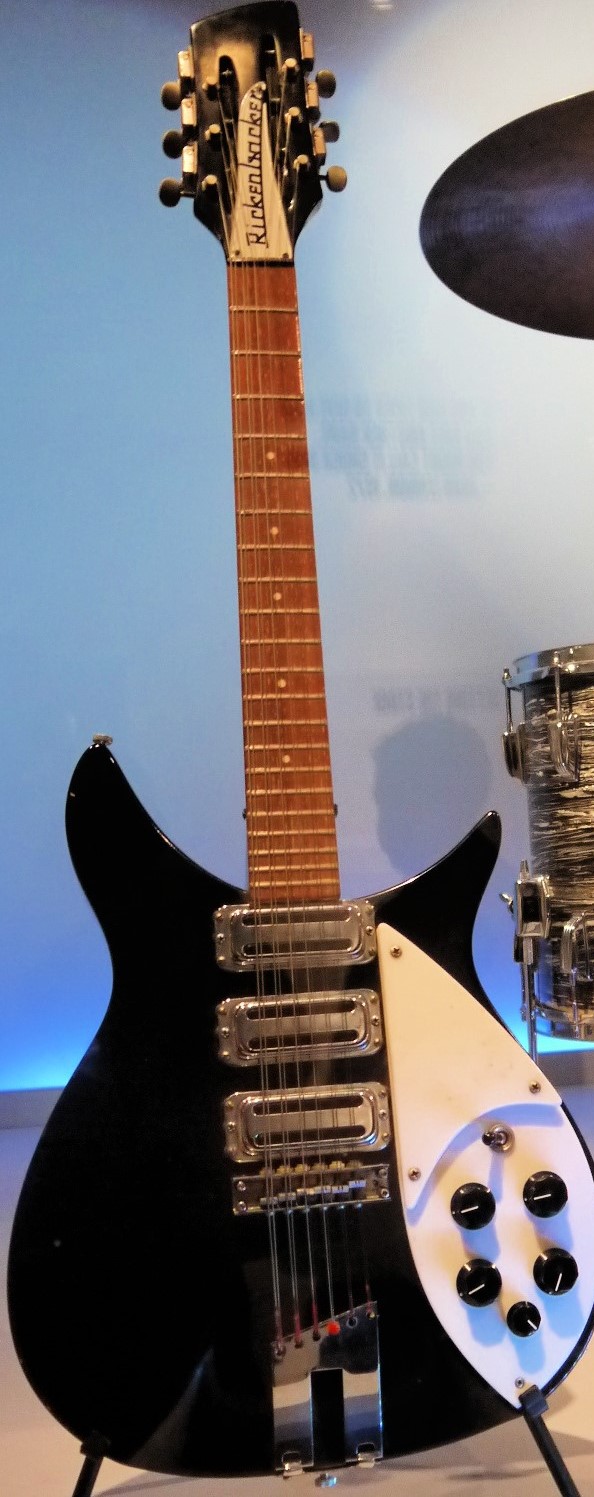 The next recording of the song was late December, 1962, during their fifth and final residency in Hamburg. While performing at the Star-Club, a primitive recording was made by Ted "Kingsize" Taylor of the group The Dominoes on a home tape machine with a single microphone. John had switched from harmonica to rhythm guitar by this time, while the group showed that they had become well acquainted with the song, creating a very tight performance not unlike what The Beatles would soon officially record at EMI Studios. The next recording of the song was late December, 1962, during their fifth and final residency in Hamburg. While performing at the Star-Club, a primitive recording was made by Ted "Kingsize" Taylor of the group The Dominoes on a home tape machine with a single microphone. John had switched from harmonica to rhythm guitar by this time, while the group showed that they had become well acquainted with the song, creating a very tight performance not unlike what The Beatles would soon officially record at EMI Studios.
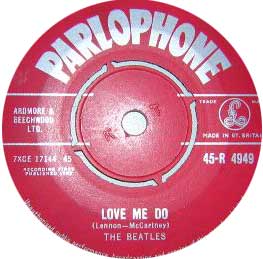 The Beatles at this point had recorded and released two singles in their home country with varying degrees of success. “Love Me Do” had reached #17 in December of 1962, and “Please Please Me” was about to reach #2 (on Britain's Record Retailer chart) in February of 1963. In order to capitalize on the national success of their recent single, George Martin decided to hastily record a full length LP to satisfy whatever needs their fan base may have had. They were asked by George Martin what the band could record quickly, as only one day was scheduled at EMI Studios for this purpose. The answer The Beatles gave them was their current “stage act,” which by this time contained the five month old “Seventeen,” as the song was still called at that time. They needed to record ten songs to complete the album, which would also include both sides of the two previously released singles, to comprise the standard fourteen songs per album in Britain. The Beatles at this point had recorded and released two singles in their home country with varying degrees of success. “Love Me Do” had reached #17 in December of 1962, and “Please Please Me” was about to reach #2 (on Britain's Record Retailer chart) in February of 1963. In order to capitalize on the national success of their recent single, George Martin decided to hastily record a full length LP to satisfy whatever needs their fan base may have had. They were asked by George Martin what the band could record quickly, as only one day was scheduled at EMI Studios for this purpose. The answer The Beatles gave them was their current “stage act,” which by this time contained the five month old “Seventeen,” as the song was still called at that time. They needed to record ten songs to complete the album, which would also include both sides of the two previously released singles, to comprise the standard fourteen songs per album in Britain.
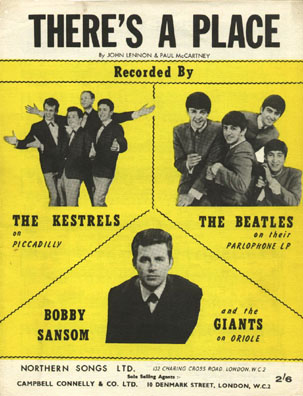 The recording date for completing their album was February 11th, 1963, and their song “Seventeen” was recorded during the first recording session that day, between 10 am and 1 pm. "A large candy jar of cough lozenges was placed on the piano at the group's request," stipulated Chris Salewicz in his 1986 biography "McCartney," undoubtedly because of it being a brutal winter and Lennon had a bad cold. Being that the first song recorded in this session was “There’s A Place” and that they recorded 10 takes of that song, “Seventeen” must have been started around 11:30 am. While Lennon experimented with playing harmonica when rehearsing the song at the Cavern Club in the later months of 1962, the group reverted to their standard lineup of guitars, bass and drums in the studio on this day. They played the song live along with lead and background vocals, no overdubs being done at this point. The recording date for completing their album was February 11th, 1963, and their song “Seventeen” was recorded during the first recording session that day, between 10 am and 1 pm. "A large candy jar of cough lozenges was placed on the piano at the group's request," stipulated Chris Salewicz in his 1986 biography "McCartney," undoubtedly because of it being a brutal winter and Lennon had a bad cold. Being that the first song recorded in this session was “There’s A Place” and that they recorded 10 takes of that song, “Seventeen” must have been started around 11:30 am. While Lennon experimented with playing harmonica when rehearsing the song at the Cavern Club in the later months of 1962, the group reverted to their standard lineup of guitars, bass and drums in the studio on this day. They played the song live along with lead and background vocals, no overdubs being done at this point.
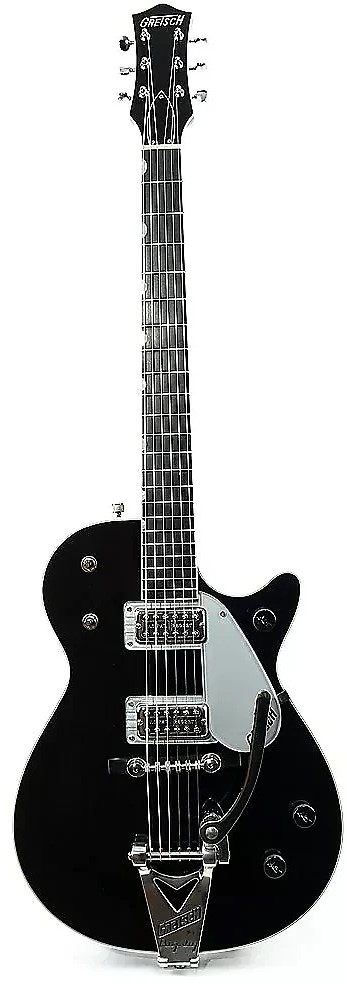 "Take one" made it through the entire song and was, for all intents and purposes, perfect. What is evident from this is that every aspect of the song was well rehearsed ahead of time, The Beatles having performed this composition repeatedly in their stage act for many months. Interestingly, we see that the production team purposely added a good amount of reverb to George Harrison’s guitar only during his solo. This was their attempt to make the solo stand out as different from the rest of the song and, as soon as the solo was over, they decreased the reverb level to sound as before. "Take one" made it through the entire song and was, for all intents and purposes, perfect. What is evident from this is that every aspect of the song was well rehearsed ahead of time, The Beatles having performed this composition repeatedly in their stage act for many months. Interestingly, we see that the production team purposely added a good amount of reverb to George Harrison’s guitar only during his solo. This was their attempt to make the solo stand out as different from the rest of the song and, as soon as the solo was over, they decreased the reverb level to sound as before.
 George Martin, though, thought the song could be performed better. After engineer Norman Smith announced "take two," John quietly counted off the song but he was the only one to start playing. Paul then quietly but commandingly counted down the song as planned and everybody followed his lead. George Martin, though, thought the song could be performed better. After engineer Norman Smith announced "take two," John quietly counted off the song but he was the only one to start playing. Paul then quietly but commandingly counted down the song as planned and everybody followed his lead.
However, there were a few obvious flaws in “take two.” Everything starts out fine but John ended up coming in singing harmony in verse two with “how could I dance” as heard in verse one instead of “she wouldn’t dance” like he should have. Then in the third verse, there must have been some confusion by both John and Paul as to what the correct lyrics were, since both of them awkwardly stumbled into the line “she wouldn’t dance” instead of “now I’ll never dance” as it should have been. We also can easily determine by this take that George’s guitar solo was ad-libbed since it was quite different from the first take although very well performed.
 Finally, in their repeat of the third verse, they both get the lyrics right but Paul, probably figuring that they messed up the song too badly, ended the song with a falling note on his bass guitar while Lennon commented to him about their mistakes. Finally, in their repeat of the third verse, they both get the lyrics right but Paul, probably figuring that they messed up the song too badly, ended the song with a falling note on his bass guitar while Lennon commented to him about their mistakes.
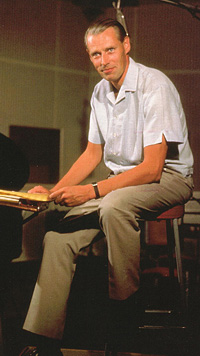 Because he apparently did not notice the obvious vocal errors, George Martin suggested they perform an edit piece to correct the song's flubbed ending. “Take three,” therefore, was this brief edit piece consisting of their three-times repeat of “since I saw her standing there” at the song's end along with the final conclusion. Because he apparently did not notice the obvious vocal errors, George Martin suggested they perform an edit piece to correct the song's flubbed ending. “Take three,” therefore, was this brief edit piece consisting of their three-times repeat of “since I saw her standing there” at the song's end along with the final conclusion.
Having accomplished this edit piece acceptably, George Martin’s next idea was to have the Beatles perform an edit piece for the guitar solo, but this time without as much reverb and with more excited screams from John and Paul. “Take four” was their first attempt at this edit piece, which began with the last four measures of the third verse as an introduction. George Harrison’s ad-lib guitar solo wasn’t quite as good, so they tried it again as “take five.” After practicing their “wooohs,” they started off “take five” too fast and, although they shouted more during the solo, the actual guitar solo was not very good at all, which rendered this edit piece useless as well.
 Having abandoned this idea, a decision was made to just start the song all over again from scratch. Before “take six” began, Paul concerned himself verbally on how to recall the lyrics correctly and how to acheive an adequate tempo. After yet another subdued count off, “take six” began but then broke down during the second verse because of Paul repeatedly getting the lyrics wrong. “Yeah, but I mean, it’s too fast anyway,” he said to Norman Smith who called the song to a halt. Having abandoned this idea, a decision was made to just start the song all over again from scratch. Before “take six” began, Paul concerned himself verbally on how to recall the lyrics correctly and how to acheive an adequate tempo. After yet another subdued count off, “take six” began but then broke down during the second verse because of Paul repeatedly getting the lyrics wrong. “Yeah, but I mean, it’s too fast anyway,” he said to Norman Smith who called the song to a halt.
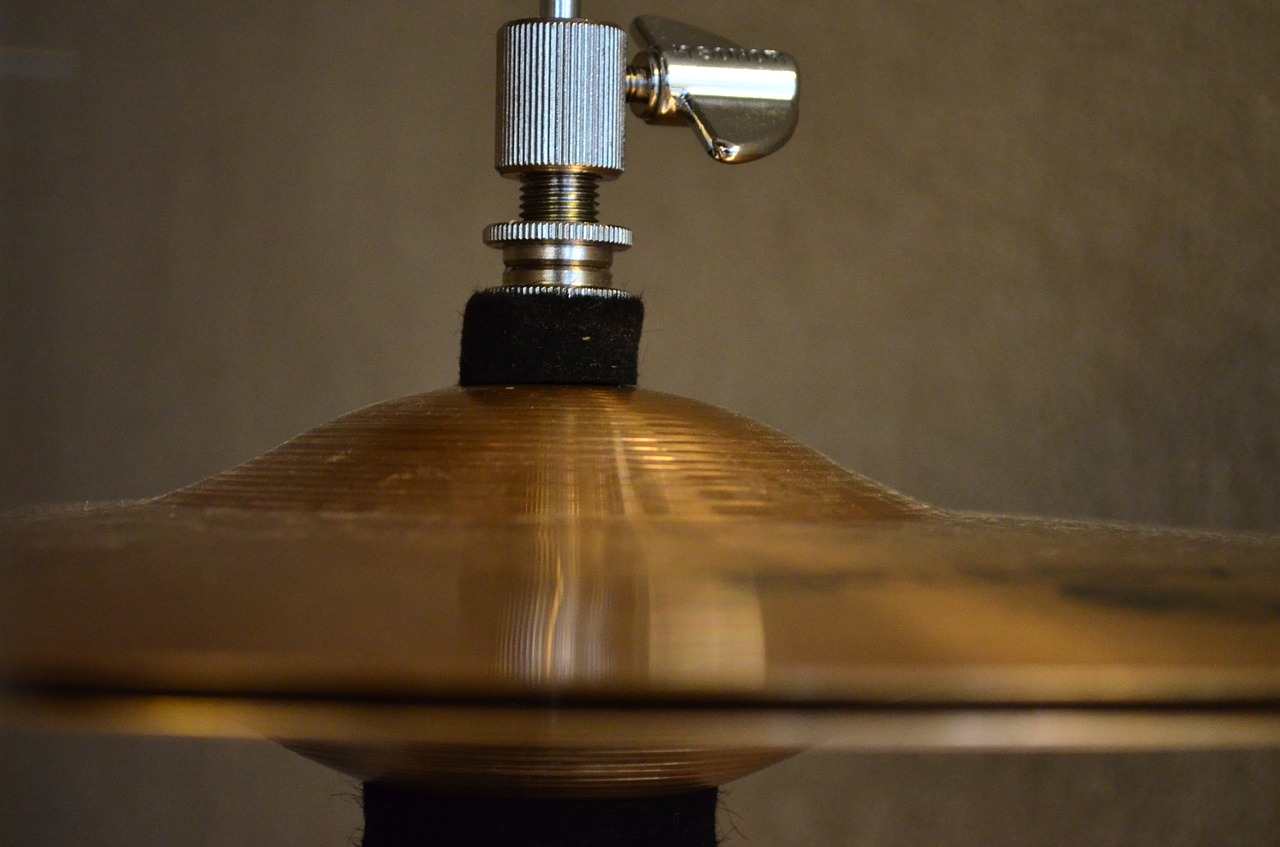 Already feeling the frustration of having to do the song so many times, Paul stated “and again” before he counted off “take seven,” calling this take to a halt himself because of feeling it was going too fast. Showing himself as the perfectionist that he is, Paul explained “and again, I’m sorry, you know, but…” as he tries to demonstrate to them what the correct tempo for the song should be. “Take eight” begins fine but when Ringo accidentally missed hitting his hi-hat during the first verse, everyone stopped which prompted Paul to ask, “What happened?” Already feeling the frustration of having to do the song so many times, Paul stated “and again” before he counted off “take seven,” calling this take to a halt himself because of feeling it was going too fast. Showing himself as the perfectionist that he is, Paul explained “and again, I’m sorry, you know, but…” as he tries to demonstrate to them what the correct tempo for the song should be. “Take eight” begins fine but when Ringo accidentally missed hitting his hi-hat during the first verse, everyone stopped which prompted Paul to ask, “What happened?”
 Being clearly frustrated, Paul counts down “take nine” with a loud “one, two, three, FAAA,” which propelled them all through another full version of the song. This spirited performance was excellent, all of the lyrics even being sung correctly. Being 1 pm already, everyone involved must have felt the song was complete and decided to finally move along to the next, but not before lunch. The Beatles, however, decided to skip eating and stayed in the empty studio to drink milk and practice for the rest of the session, their professionalism already being exhibited at this early stage. Being clearly frustrated, Paul counts down “take nine” with a loud “one, two, three, FAAA,” which propelled them all through another full version of the song. This spirited performance was excellent, all of the lyrics even being sung correctly. Being 1 pm already, everyone involved must have felt the song was complete and decided to finally move along to the next, but not before lunch. The Beatles, however, decided to skip eating and stayed in the empty studio to drink milk and practice for the rest of the session, their professionalism already being exhibited at this early stage.
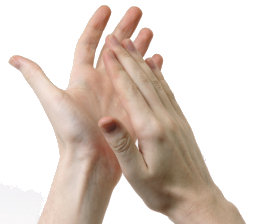 Little did they know at the time that they would return to the song later that day. At some point, George Martin thought having them all clap their hands throughout the song would create an excited atmosphere, so at about 4:45 pm, The Beatles gathered around a microphone to do just that. With the two-track tape of "take nine" now being re-recorded onto another two-track machine, all four of them simultaneously recorded their handclapping overdub, this now becoming "take 10." However, upon listening to it, George Martin decided that he liked “take one” better after all. Therefore, the first take of the song was then spooled up for the handclapping overdub. Little did they know at the time that they would return to the song later that day. At some point, George Martin thought having them all clap their hands throughout the song would create an excited atmosphere, so at about 4:45 pm, The Beatles gathered around a microphone to do just that. With the two-track tape of "take nine" now being re-recorded onto another two-track machine, all four of them simultaneously recorded their handclapping overdub, this now becoming "take 10." However, upon listening to it, George Martin decided that he liked “take one” better after all. Therefore, the first take of the song was then spooled up for the handclapping overdub.
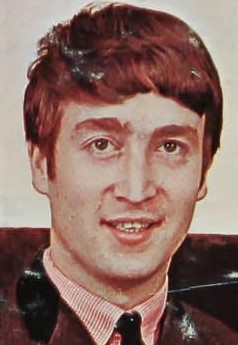 “Take 11” only made it through the first few measures of the first verse before the tape was stopped because the recording of "take one" was not at a loud enough volume. The Beatles kept clapping afterwards, which motivated Paul to say “we have to keep Britain tidy,” the reaction being much laughter all around. The EMI staff then started re-recording “take one” at the proper volume as the group clapped their hands (with reverb) all the way through the song. This became “take 12,” which was now considered to be the new “best.” Therefore, the song was actually complete by about 5 pm. “Take 11” only made it through the first few measures of the first verse before the tape was stopped because the recording of "take one" was not at a loud enough volume. The Beatles kept clapping afterwards, which motivated Paul to say “we have to keep Britain tidy,” the reaction being much laughter all around. The EMI staff then started re-recording “take one” at the proper volume as the group clapped their hands (with reverb) all the way through the song. This became “take 12,” which was now considered to be the new “best.” Therefore, the song was actually complete by about 5 pm.
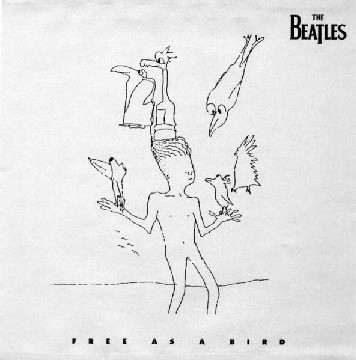 Both the mono and stereo mixes of the song, as well as the rest of the ten songs recorded on February 11th, 1963, were created on February 25th, 1963 in the control room of EMI Studio One by George Martin, Norman Smith and 2nd engineer A.B. Lincoln, The Beatles themselves not being present for this mix session. Before any mixing took place at this session, George Martin decided to edit in Paul’s excited “One, Two, Three, FAAA” count off from “take nine” onto the beginning of what was now "take 12" because he felt Paul's countdown was "especially spirited" and would add the desired “potboiler” atmosphere he wanted to begin the album. The desired result of this countdown, undoubtedly, was to display The Beatles as a "live" act, somewhat mimicking "Well, it's a-one for the money..." from "Blue Suede Shoes," the opening track to Elvis Presley's debut LP. After the edit was made, both the mono and the stereo mixes were created from this edited master. This became the exuberant kick-off to the soon-to-be-released first British album, entitled “Please Please Me with Love Me Do and 12 other songs.” (The original “take nine” can be heard on the CD single for “Free As A Bird,” which was released on December 31st, 1995.) Both the mono and stereo mixes of the song, as well as the rest of the ten songs recorded on February 11th, 1963, were created on February 25th, 1963 in the control room of EMI Studio One by George Martin, Norman Smith and 2nd engineer A.B. Lincoln, The Beatles themselves not being present for this mix session. Before any mixing took place at this session, George Martin decided to edit in Paul’s excited “One, Two, Three, FAAA” count off from “take nine” onto the beginning of what was now "take 12" because he felt Paul's countdown was "especially spirited" and would add the desired “potboiler” atmosphere he wanted to begin the album. The desired result of this countdown, undoubtedly, was to display The Beatles as a "live" act, somewhat mimicking "Well, it's a-one for the money..." from "Blue Suede Shoes," the opening track to Elvis Presley's debut LP. After the edit was made, both the mono and the stereo mixes were created from this edited master. This became the exuberant kick-off to the soon-to-be-released first British album, entitled “Please Please Me with Love Me Do and 12 other songs.” (The original “take nine” can be heard on the CD single for “Free As A Bird,” which was released on December 31st, 1995.)
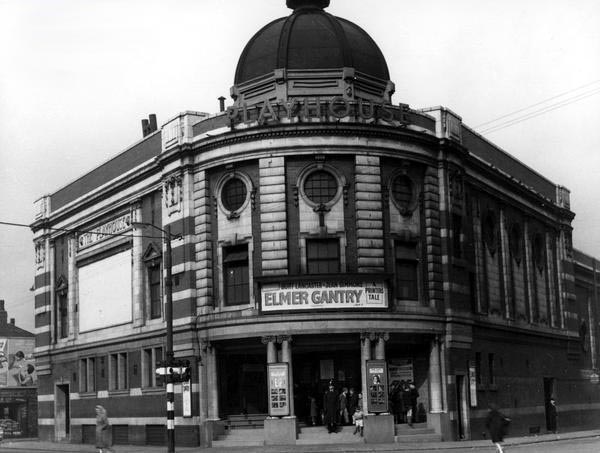 Interestingly, The Beatles brought "I Saw Her Standing There" to recording studios twelve more times, these specifically being recorded for BBC radio. The first was on March 6th, 1963 at Playhouse Theatre in Manchester between 8 and 8:45 pm for the radio program "Here We Go," which was produced by Peter Pilbeam but omitted from the broadcast tape before the show aired. Their next recording was of a live performance for the popular radio show “Saturday Club” on March 16th, 1963, which was six days before the song was released in Britain on their "Please Please Me" album. This recording was produced by Jimmy Grant and Bernie Andrews in Studio 3A of Broadcasting House in London between 10 am and 12 noon, this live transmission occuring only because the group had a prior commitment on March 11th when they were to originally record this show, not to mention John had a bad cold that day. Interestingly, The Beatles brought "I Saw Her Standing There" to recording studios twelve more times, these specifically being recorded for BBC radio. The first was on March 6th, 1963 at Playhouse Theatre in Manchester between 8 and 8:45 pm for the radio program "Here We Go," which was produced by Peter Pilbeam but omitted from the broadcast tape before the show aired. Their next recording was of a live performance for the popular radio show “Saturday Club” on March 16th, 1963, which was six days before the song was released in Britain on their "Please Please Me" album. This recording was produced by Jimmy Grant and Bernie Andrews in Studio 3A of Broadcasting House in London between 10 am and 12 noon, this live transmission occuring only because the group had a prior commitment on March 11th when they were to originally record this show, not to mention John had a bad cold that day.
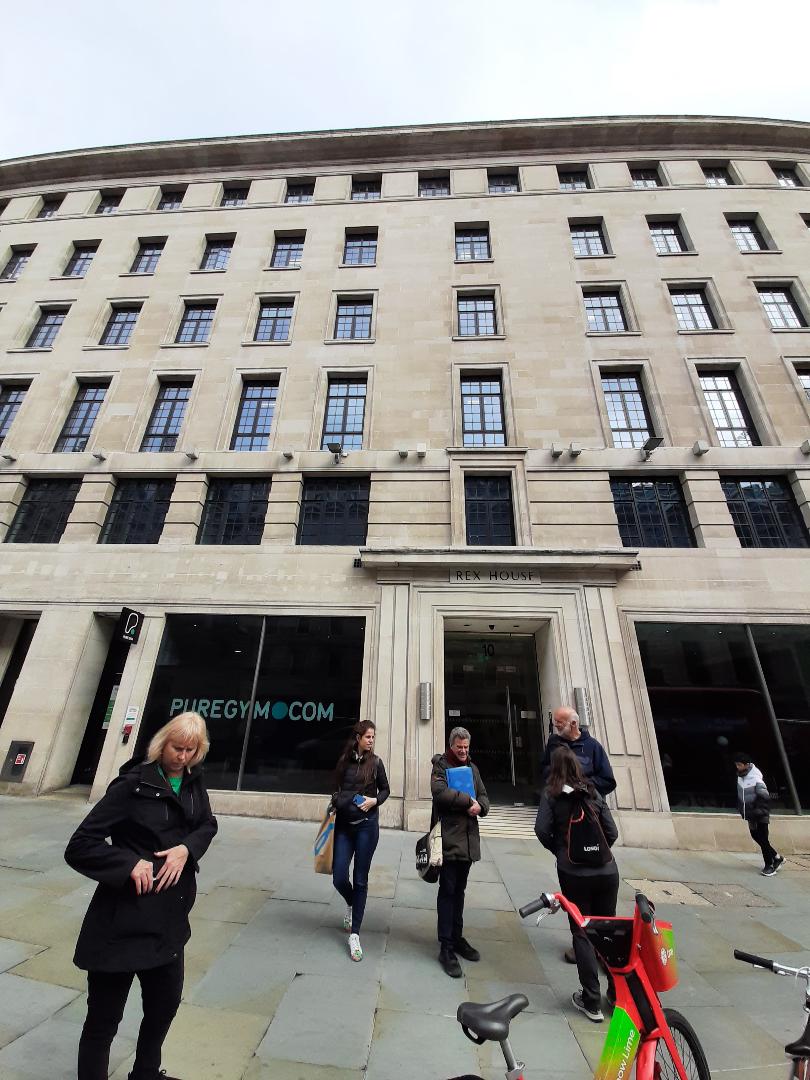 Their second BBC recording of the song took place on April 1st, 1963 in Studio One of BBC Piccadilly Studios in London between 2:30 and 5:30 pm for the radio show “Side By Side,” which aired on April 22nd of that year between 5 and 5:29 pm. On April 4th, a surprisingly clear private tape recording was made by John Bloomfield, a fifteen-year-old student in the audience of Stowe School at Roxburgh Hall in Stowe where The Beatles performed the song twice between 6:30 to 7:30 pm. Then came a dual recording of the song on May 21st, 1963 at Playhouse Theatre in London, the first recording occuring between 5:30 and 6:30 pm for an episode of “Saturday Club” that aired on May 25th between 10 am and 12 noon, the second recording occuring between 10 and 11:15 pm for the radio show “Steppin’ Out,” which was produced by Terry Henebery and broadcast on June 3rd between 10:31 and 11:30 am. Their second BBC recording of the song took place on April 1st, 1963 in Studio One of BBC Piccadilly Studios in London between 2:30 and 5:30 pm for the radio show “Side By Side,” which aired on April 22nd of that year between 5 and 5:29 pm. On April 4th, a surprisingly clear private tape recording was made by John Bloomfield, a fifteen-year-old student in the audience of Stowe School at Roxburgh Hall in Stowe where The Beatles performed the song twice between 6:30 to 7:30 pm. Then came a dual recording of the song on May 21st, 1963 at Playhouse Theatre in London, the first recording occuring between 5:30 and 6:30 pm for an episode of “Saturday Club” that aired on May 25th between 10 am and 12 noon, the second recording occuring between 10 and 11:15 pm for the radio show “Steppin’ Out,” which was produced by Terry Henebery and broadcast on June 3rd between 10:31 and 11:30 am.
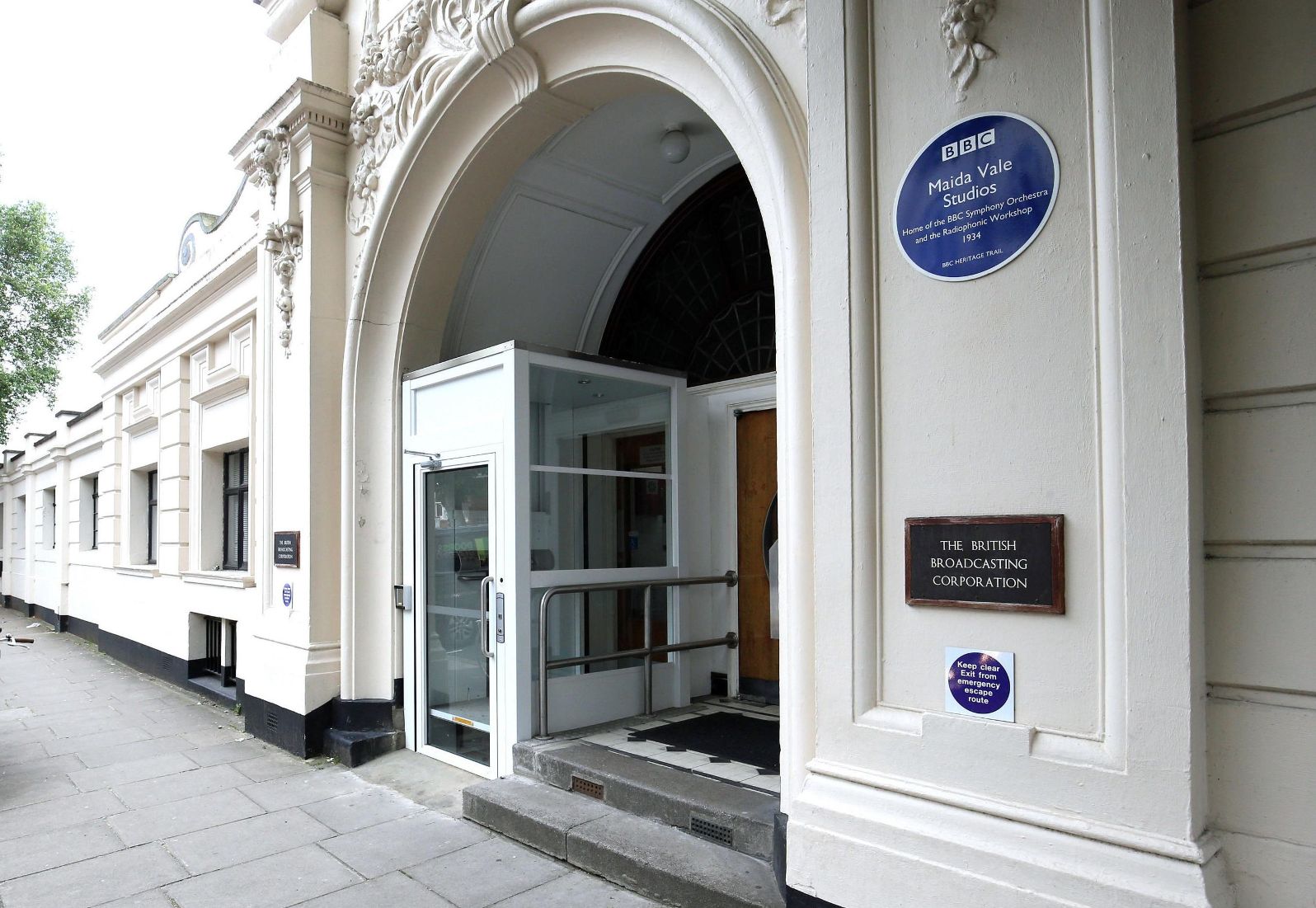 On June 17th, 1963, they recorded the song in Studio Five of Maida Vale Studios in London between 10:30 am and 1 pm for the fourth edition of their program “Pop Go The Beatles” produced by Terry Henebery and broadcast on June 25th between 5 and 5:29 pm. Then to July 17th, 1963 at Playhouse Theatre in London between 8:45 and 9:45 pm for a recording of the song for the radio show “Easy Beat,” which was produced by Ron Belchier and broadcast on July 21st between 10:31 and 11:30 am. Then on August 21st, 1963, during a six consecutive night residency they played in Bournemouth, Hants, England, the chief technician at the Gaumont Cinema recorded The Beatles performance on his reel-to-reel tape recorder in order to check the venue's sound system. The sixth song on their set list that day was "I Saw Her Standing There." This rather clear sounding 25-minute tape reel was sold by Christie's auction house in 1998 for 25,300 pounds and has not yet been made available commercially. Then on September 3rd, 1963, they recorded it in Studio Two of Aeolian Hall in London with Ian Grant as producer between 8 and 10:30 pm for their 15th and final edition of their series “Pop Go The Beatles,” which aired on September 24th between 5 and 5:29 pm. On June 17th, 1963, they recorded the song in Studio Five of Maida Vale Studios in London between 10:30 am and 1 pm for the fourth edition of their program “Pop Go The Beatles” produced by Terry Henebery and broadcast on June 25th between 5 and 5:29 pm. Then to July 17th, 1963 at Playhouse Theatre in London between 8:45 and 9:45 pm for a recording of the song for the radio show “Easy Beat,” which was produced by Ron Belchier and broadcast on July 21st between 10:31 and 11:30 am. Then on August 21st, 1963, during a six consecutive night residency they played in Bournemouth, Hants, England, the chief technician at the Gaumont Cinema recorded The Beatles performance on his reel-to-reel tape recorder in order to check the venue's sound system. The sixth song on their set list that day was "I Saw Her Standing There." This rather clear sounding 25-minute tape reel was sold by Christie's auction house in 1998 for 25,300 pounds and has not yet been made available commercially. Then on September 3rd, 1963, they recorded it in Studio Two of Aeolian Hall in London with Ian Grant as producer between 8 and 10:30 pm for their 15th and final edition of their series “Pop Go The Beatles,” which aired on September 24th between 5 and 5:29 pm.
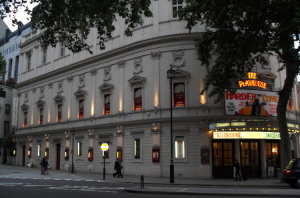 On September 7th, 1963, The Beatles recorded this song at The Playhouse Theatre in London between 1 and 4 pm with Bernie Andrews as producer for the fifth birthday edition of the BBC program “Saturday Club” that aired on October 5th between 10 am and 12 noon. Following this was yet another BBC recording of the song on October 16th, 1963 at Playhouse Theatre in London between 9 and 10 pm as produced by Ron Belchier for an episode of “Easy Beat,” which was broadcast on October 20th between 10:31 and 11:30 am. Then at the Karlapansstudion in Stockholm, Sweden, on the first day of the group's first foreign tour on October 24th, 1963, they recorded "I Saw Her Standing There" and six other songs before a live audience for Sveriges radio on the radio show “Karlapansstudion, Stockholm Pop ‘63.” The recording was produced by Klas Burling and took place on this day between 5 and 5:30 pm, this show airing on channel one of Sveriges Radio (Swedish National Radio) on November 11th between 10:05 and 10:30 pm. On September 7th, 1963, The Beatles recorded this song at The Playhouse Theatre in London between 1 and 4 pm with Bernie Andrews as producer for the fifth birthday edition of the BBC program “Saturday Club” that aired on October 5th between 10 am and 12 noon. Following this was yet another BBC recording of the song on October 16th, 1963 at Playhouse Theatre in London between 9 and 10 pm as produced by Ron Belchier for an episode of “Easy Beat,” which was broadcast on October 20th between 10:31 and 11:30 am. Then at the Karlapansstudion in Stockholm, Sweden, on the first day of the group's first foreign tour on October 24th, 1963, they recorded "I Saw Her Standing There" and six other songs before a live audience for Sveriges radio on the radio show “Karlapansstudion, Stockholm Pop ‘63.” The recording was produced by Klas Burling and took place on this day between 5 and 5:30 pm, this show airing on channel one of Sveriges Radio (Swedish National Radio) on November 11th between 10:05 and 10:30 pm.
.jpg) Another recording of the song took place on December 18th, 1963 at BBC Paris Studio in London between 7 and 10:30 pm for the first installment of the group's new radio series "From Us To You," which was produced by Bryant Marriott and broadcast on "Boxing Day," December 26th between 10 am and 12 noon. Their final recording of the song "I Saw Her Standing There" was on May 1st, 1964, which was over five months after the release of their follow-up album "With The Beatles," at BBC Paris Studio in London between 6:30 and 9:30 pm for the third installment of “From Us To You,” this being produced by Bryant Marriott and broadcast on May 18th of that year between 10 am and 12 noon. Another recording of the song took place on December 18th, 1963 at BBC Paris Studio in London between 7 and 10:30 pm for the first installment of the group's new radio series "From Us To You," which was produced by Bryant Marriott and broadcast on "Boxing Day," December 26th between 10 am and 12 noon. Their final recording of the song "I Saw Her Standing There" was on May 1st, 1964, which was over five months after the release of their follow-up album "With The Beatles," at BBC Paris Studio in London between 6:30 and 9:30 pm for the third installment of “From Us To You,” this being produced by Bryant Marriott and broadcast on May 18th of that year between 10 am and 12 noon.
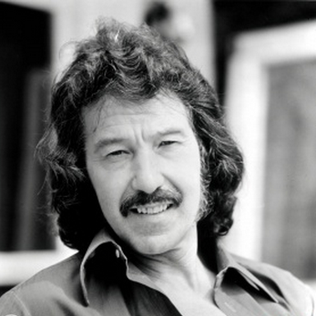
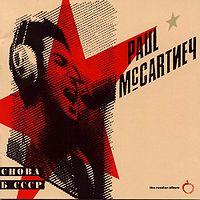 An interesting side-note is that the song did see the recording studio another time by a former Beatle on July 21st, 1987. Paul McCartney recorded "I Saw Her Standing There" along with 21 other classic rock and roll standards as contenders for an album originally released in Russia entitled "CHOBa B CCCP" (which is Russian for "Back In The USSR"). The album did receive a worldwide release in 1991, but no version of the album contains this version of the song. Paul decided not to include it on this LP and it remains unreleased to this day. An interesting side-note is that the song did see the recording studio another time by a former Beatle on July 21st, 1987. Paul McCartney recorded "I Saw Her Standing There" along with 21 other classic rock and roll standards as contenders for an album originally released in Russia entitled "CHOBa B CCCP" (which is Russian for "Back In The USSR"). The album did receive a worldwide release in 1991, but no version of the album contains this version of the song. Paul decided not to include it on this LP and it remains unreleased to this day.
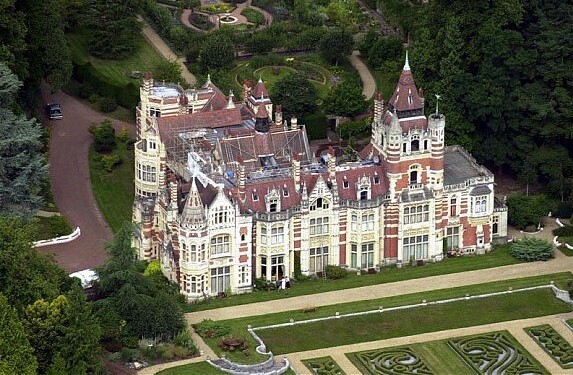 On June 23rd, 1994, the surviving three Beatles met at George's private studio at his Friar Park residence at Henley On Thames, England, for the sole purpose of both filming and recording footage to be included in the upcoming "Anthology" ABC television specials. With Paul and George on acoustic guitars and Ringo on drums (playing with brushes), they went through a variety of older songs they used to perform with The Beatles in the Cavern days and even back during their Quarrymen period. Anthology director Bob Smeaton recalls: "There's a whole lot of that stuff; we were there for a full day...They did a whole lot of rock and roll songs." Producer Jeff Lynne remembers: "It was just a time warp kind of thing. We played some old rock and roll stuff, a couple of Chuck Berry's, even "I Saw Her Standing There.'" Neither the recording nor the filmed footage have been released as of yet. On June 23rd, 1994, the surviving three Beatles met at George's private studio at his Friar Park residence at Henley On Thames, England, for the sole purpose of both filming and recording footage to be included in the upcoming "Anthology" ABC television specials. With Paul and George on acoustic guitars and Ringo on drums (playing with brushes), they went through a variety of older songs they used to perform with The Beatles in the Cavern days and even back during their Quarrymen period. Anthology director Bob Smeaton recalls: "There's a whole lot of that stuff; we were there for a full day...They did a whole lot of rock and roll songs." Producer Jeff Lynne remembers: "It was just a time warp kind of thing. We played some old rock and roll stuff, a couple of Chuck Berry's, even "I Saw Her Standing There.'" Neither the recording nor the filmed footage have been released as of yet.
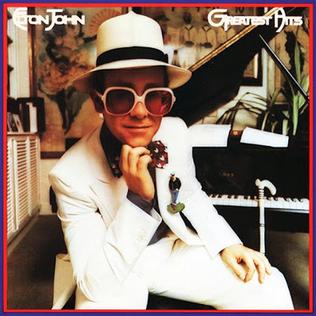 The following live recordings of "I Saw Her Standing There" by individual Beatles as released on live albums comprise the following dates: November 28th, 1974 at Madison Square Garden in New York City, USA (John Lennon with Elton John), June 20th, 1986 at Wembley Arena in London (Paul with Elton John, Eric Clapton and others for the Prince's Trust Rock Gala - song not included on the US release), November 9th, 1989 in Montreal, Canada (Paul), May 17th, 2002 in Sunrise, Florida (Paul), June 27th, 2007 in Hollywood California (Paul) and July 17th, 2009 at Citi Field in New York City (Paul with Billy Joel). The following live recordings of "I Saw Her Standing There" by individual Beatles as released on live albums comprise the following dates: November 28th, 1974 at Madison Square Garden in New York City, USA (John Lennon with Elton John), June 20th, 1986 at Wembley Arena in London (Paul with Elton John, Eric Clapton and others for the Prince's Trust Rock Gala - song not included on the US release), November 9th, 1989 in Montreal, Canada (Paul), May 17th, 2002 in Sunrise, Florida (Paul), June 27th, 2007 in Hollywood California (Paul) and July 17th, 2009 at Citi Field in New York City (Paul with Billy Joel).
 Sometime during 2023, Giles Martin was given the task of creating a "demix remix" of "I Saw Her Standing There" for inclusion as a new track on the 50th Anniversary edition of the compilation album "The Beatles / 1962 - 1966" (aka "The Red Album"). With Peter Jackson's AI technology at his disposal, Giles Martin now had the ability to utilize this "new machine-learning techology" so that "individual elements that were put to tape and were therefore impossible to separate" could be "untangled, allowing (him) to put the original recordings back together with even greater clarity and impact," as stated by John Harris the liner notes of this release. The results were spectacular, the snap of Ringo's snare drum, the rasp of Paul's voice, and the detail of George's guitar being highlighted throughout. Sometime during 2023, Giles Martin was given the task of creating a "demix remix" of "I Saw Her Standing There" for inclusion as a new track on the 50th Anniversary edition of the compilation album "The Beatles / 1962 - 1966" (aka "The Red Album"). With Peter Jackson's AI technology at his disposal, Giles Martin now had the ability to utilize this "new machine-learning techology" so that "individual elements that were put to tape and were therefore impossible to separate" could be "untangled, allowing (him) to put the original recordings back together with even greater clarity and impact," as stated by John Harris the liner notes of this release. The results were spectacular, the snap of Ringo's snare drum, the rasp of Paul's voice, and the detail of George's guitar being highlighted throughout.
Song Structure and Style
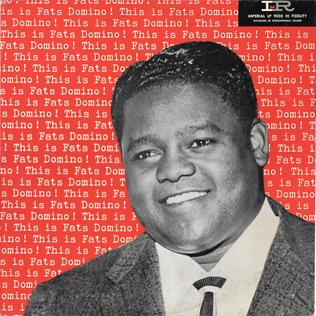 The song was written in one of the most established formulas of popular music of its time. It was written in the 'verse/ verse/ bridge/ verse' format (or aaba), which doesn't have a repeatable chorus. The familiar songwriting style of many of The Beatles' favorite artists of the time have a similar song structure, such as Fats Domino and Arthur Alexander. The title, or hook-line, of the song can be spotted at the end of each verse, which helps listeners remember the title of the song. In this case, The Beatles may very well have not caught on to this established practice, being that they titled the song “Seventeen” at first and had apparently been performing the song in their “stage act” for about five months under this title. We do know that sometime before the release of the British LP “Please Please Me” by March 22nd, 1963, the name had been officially changed to “I Saw Her Standing There,” quite possibly at the suggestion of the all-wise George Martin. The song was written in one of the most established formulas of popular music of its time. It was written in the 'verse/ verse/ bridge/ verse' format (or aaba), which doesn't have a repeatable chorus. The familiar songwriting style of many of The Beatles' favorite artists of the time have a similar song structure, such as Fats Domino and Arthur Alexander. The title, or hook-line, of the song can be spotted at the end of each verse, which helps listeners remember the title of the song. In this case, The Beatles may very well have not caught on to this established practice, being that they titled the song “Seventeen” at first and had apparently been performing the song in their “stage act” for about five months under this title. We do know that sometime before the release of the British LP “Please Please Me” by March 22nd, 1963, the name had been officially changed to “I Saw Her Standing There,” quite possibly at the suggestion of the all-wise George Martin.
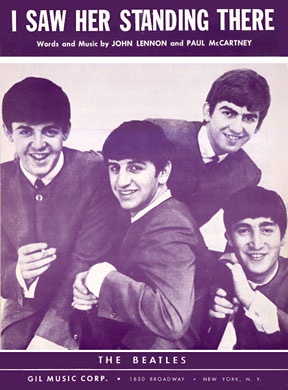 After the rousing count-in by McCartney, the song creates anticipation with its two opening instrumental bars in their established “beat” style, leading us to the first verse, each verse consisting of eight measures. Paul also handles lead vocals, joined by John with lower harmony vocals for the second half of each verse, culminating in the accentuation of the songs title. After verse two, the chords rise and the harmonies continue as they enter the five measure bridge, which creates an illusion of sexual climax before bringing us back to the ground with the third and final verse in the song structure, which satisfies the listener with a happy ending; boy gets girl! After the rousing count-in by McCartney, the song creates anticipation with its two opening instrumental bars in their established “beat” style, leading us to the first verse, each verse consisting of eight measures. Paul also handles lead vocals, joined by John with lower harmony vocals for the second half of each verse, culminating in the accentuation of the songs title. After verse two, the chords rise and the harmonies continue as they enter the five measure bridge, which creates an illusion of sexual climax before bringing us back to the ground with the third and final verse in the song structure, which satisfies the listener with a happy ending; boy gets girl!
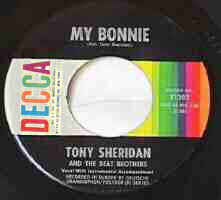 The listener is then treated to the very first guitar solo officially recorded in The Beatles cannon, this solo being played by George Harrison. Since this was only the sixth song recorded with the intention of being released on record, George earns his keep as the lead guitarist in the group. (He did perform lead guitar solos during the band's 1961 Hamburg recording sessions, although these were not initially released under the “Beatles” name. Their track “My Bonnie” had been released on record before this time, but was billed as “Tony Sheridan and the Beat Brothers.”) His solo, which is played during the same chord structure as a verse, was recorded live with the rest of the band as they were used to performing the song live. Soon after this, it became common practice to overdub a guitar solo later in order to refine it and capture the best performance. Because The Beatles was so used to performing this song over the previous five months, Harrison had already refined his solo, as evidenced by listening to "take nine" of the song, this being equally well performed. The listener is then treated to the very first guitar solo officially recorded in The Beatles cannon, this solo being played by George Harrison. Since this was only the sixth song recorded with the intention of being released on record, George earns his keep as the lead guitarist in the group. (He did perform lead guitar solos during the band's 1961 Hamburg recording sessions, although these were not initially released under the “Beatles” name. Their track “My Bonnie” had been released on record before this time, but was billed as “Tony Sheridan and the Beat Brothers.”) His solo, which is played during the same chord structure as a verse, was recorded live with the rest of the band as they were used to performing the song live. Soon after this, it became common practice to overdub a guitar solo later in order to refine it and capture the best performance. Because The Beatles was so used to performing this song over the previous five months, Harrison had already refined his solo, as evidenced by listening to "take nine" of the song, this being equally well performed.
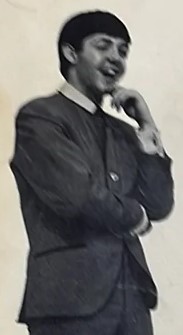 The song then returns to repeat the climactic bridge and final “boy gets girl” verse, repeating the song's title three more times to, inadvertently, drive home the title of the song in our heads. The chords take a surprise left turn at the end to switch things up a bit, before crashing down with a triumphant clang of a guitar chord coupled with a vocal accentuation from its lead singer. A great conclusion like this can only enourage applause. The song then returns to repeat the climactic bridge and final “boy gets girl” verse, repeating the song's title three more times to, inadvertently, drive home the title of the song in our heads. The chords take a surprise left turn at the end to switch things up a bit, before crashing down with a triumphant clang of a guitar chord coupled with a vocal accentuation from its lead singer. A great conclusion like this can only enourage applause.
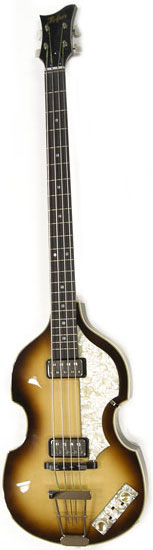 It is interesting to note that in some of their performances of the song during the next year or so, as well as Paul’s concert renditions in later years, the second bridge is eliminated. After the solo is performed, Paul moved directly into the final verse. Whether this was intentional has not been confirmed, although it has been suggested that it was shortened by the group during performances in order to move on to newer songs, being that the song may have already been considered “old” by mid 1963, in their minds at least. It is interesting to note that in some of their performances of the song during the next year or so, as well as Paul’s concert renditions in later years, the second bridge is eliminated. After the solo is performed, Paul moved directly into the final verse. Whether this was intentional has not been confirmed, although it has been suggested that it was shortened by the group during performances in order to move on to newer songs, being that the song may have already been considered “old” by mid 1963, in their minds at least.
American Releases
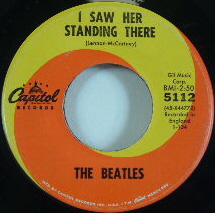 The first US record release for the song was on December 26th, 1963 as the b-side to the group's first Capitol Records single, “I Want To Hold Your Hand.” It was chosen specifically by Capitol for this position because of its rousing quality in order to make a specific impact on the American youth. Its British b-side, “This Boy,” as good of a song as it may have been, was not what the record company had in mind for the first impression they wanted The Beatles to have in the US. Knowing that Vee-Jay records had already received this song from Britain many months prior to this didn’t influence their decision to release it, recognizing that the song, as all other previous Beatles songs, was now under license to Capitol. The first US record release for the song was on December 26th, 1963 as the b-side to the group's first Capitol Records single, “I Want To Hold Your Hand.” It was chosen specifically by Capitol for this position because of its rousing quality in order to make a specific impact on the American youth. Its British b-side, “This Boy,” as good of a song as it may have been, was not what the record company had in mind for the first impression they wanted The Beatles to have in the US. Knowing that Vee-Jay records had already received this song from Britain many months prior to this didn’t influence their decision to release it, recognizing that the song, as all other previous Beatles songs, was now under license to Capitol.
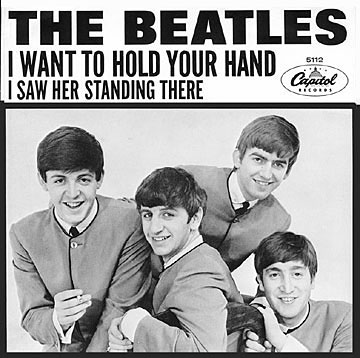 The single was actually planned for release in January 1964, in order to be better timed with The Beatles' first appearance on the Ed Sullivan Show in February. But because someone at a Washington DC radio station had imported the single from Britain, "I Want To Hold Your Hand" was already receiving substantial radio airplay with great listener response. In order to satisfy public demand for the song, the single was released sooner but still ending up with great timing for their Ed Sullivan appearance. "I Want To Hold Your Hand" was at #1 on the Billboard Hot 100 when they appeared on the show. The single was actually planned for release in January 1964, in order to be better timed with The Beatles' first appearance on the Ed Sullivan Show in February. But because someone at a Washington DC radio station had imported the single from Britain, "I Want To Hold Your Hand" was already receiving substantial radio airplay with great listener response. In order to satisfy public demand for the song, the single was released sooner but still ending up with great timing for their Ed Sullivan appearance. "I Want To Hold Your Hand" was at #1 on the Billboard Hot 100 when they appeared on the show.
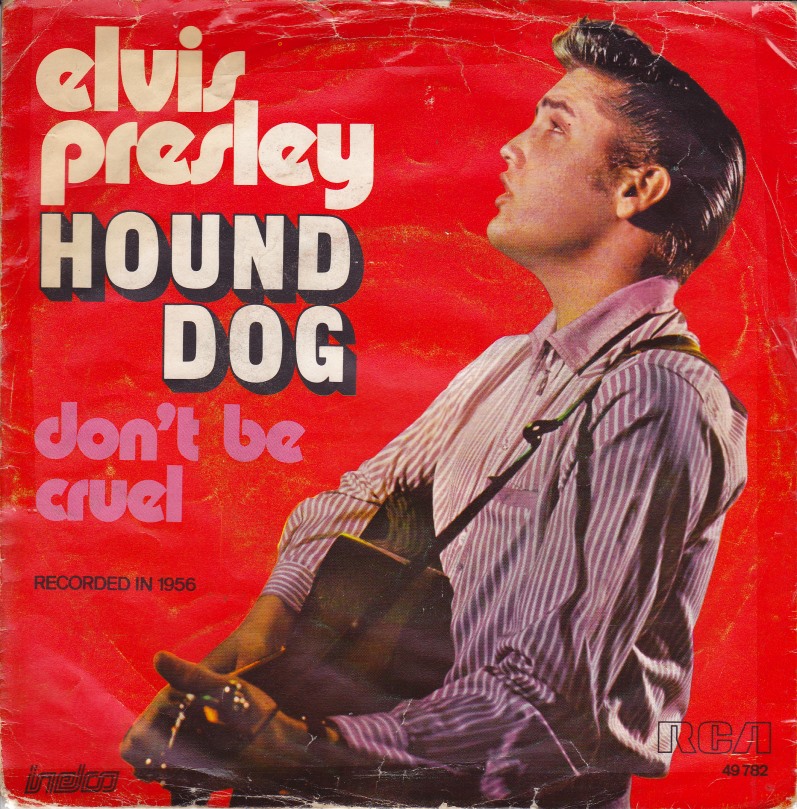 Only a small amount of the most popular recording artists in America were capable of having the b-side of a single actually have a placement of its own on the Billboard charts. Elvis Presley surely was one of these, having done it repeatedly throughout his early career. The Beatles proved themselves capable of this feat with their first Capitol single release. “I Saw Her Standing There” received so much attention on American radio that it entered the Billboard Hot 100 on February 8th, 1964 and reached a chart position of #14 by March, spending a total of eleven weeks on the chart. Cash Box magazine described the song as "Engaging...hard-hitting teen stuff." Evidence of the radio airplay that this song received can be seen by watching the video footage of The Beatles during their first US visit, as they were being driven around town in the back of their car listening to the transistor radios they received as gifts. The radio is playing “I Saw Her Standing There.” Only a small amount of the most popular recording artists in America were capable of having the b-side of a single actually have a placement of its own on the Billboard charts. Elvis Presley surely was one of these, having done it repeatedly throughout his early career. The Beatles proved themselves capable of this feat with their first Capitol single release. “I Saw Her Standing There” received so much attention on American radio that it entered the Billboard Hot 100 on February 8th, 1964 and reached a chart position of #14 by March, spending a total of eleven weeks on the chart. Cash Box magazine described the song as "Engaging...hard-hitting teen stuff." Evidence of the radio airplay that this song received can be seen by watching the video footage of The Beatles during their first US visit, as they were being driven around town in the back of their car listening to the transistor radios they received as gifts. The radio is playing “I Saw Her Standing There.”
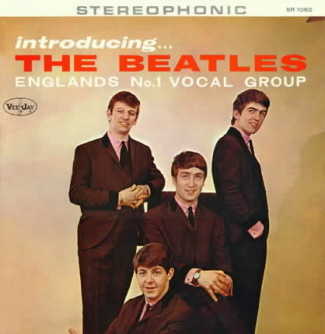 This could only have made Vee-Jay records very happy, as they quickly released the album that they had been sitting on since July of 1963 titled “Introducing…The Beatles.” The first track of this American LP, like its British counterpart "Please Please Me," was “I Saw Her Standing There,” which makes this album the second official release of the song in the US on January 10th, 1964. Being released a mere week and a half after the Capitol single, and being played on the radio as it was, created the impression that the song was the “hit single” from the album. This, undoubtedly, only added fuel to the fire in the minds of executives at Capitol, who quickly filed suit after the album's release. This could only have made Vee-Jay records very happy, as they quickly released the album that they had been sitting on since July of 1963 titled “Introducing…The Beatles.” The first track of this American LP, like its British counterpart "Please Please Me," was “I Saw Her Standing There,” which makes this album the second official release of the song in the US on January 10th, 1964. Being released a mere week and a half after the Capitol single, and being played on the radio as it was, created the impression that the song was the “hit single” from the album. This, undoubtedly, only added fuel to the fire in the minds of executives at Capitol, who quickly filed suit after the album's release.
 Another interesting note is that the song does not feature Paul's rousing “One, Two, Three, FAAAA” countdown at the beginning of the song on this Vee-Jay album. The reason for this is, when preparing this album for release in July of 1963, engineers at Vee-Jay Records made an assumtion that the countdown was left in by accident. “One doesn’t have the countdown of a song on the actual record,” Vee-Jay personnel must have thought, so they tried to edit it out when preparing their album. Because the edit of the countdown blended so well with the actual introduction of the music, it wasn’t possible to totally eliminate it. So, embarrassingly enough, the first thing the listener hears when he plays the Vee-Jay album is Paul McCartney yelling “FAAA.” After all the foresight and work George Martin did to add the rousing introduction to the song, Vee-Jay records once again dropped the ball. Another interesting note is that the song does not feature Paul's rousing “One, Two, Three, FAAAA” countdown at the beginning of the song on this Vee-Jay album. The reason for this is, when preparing this album for release in July of 1963, engineers at Vee-Jay Records made an assumtion that the countdown was left in by accident. “One doesn’t have the countdown of a song on the actual record,” Vee-Jay personnel must have thought, so they tried to edit it out when preparing their album. Because the edit of the countdown blended so well with the actual introduction of the music, it wasn’t possible to totally eliminate it. So, embarrassingly enough, the first thing the listener hears when he plays the Vee-Jay album is Paul McCartney yelling “FAAA.” After all the foresight and work George Martin did to add the rousing introduction to the song, Vee-Jay records once again dropped the ball.
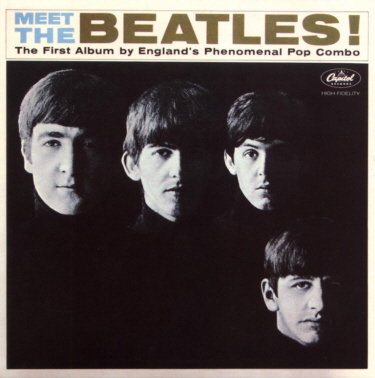 The next release of the song in the US came only ten days later with the release of their groundbreaking Capitol album, “Meet The Beatles! The First Album By England’s Phenomenal Pop Combo.” The release date was January 20th, 1964, meaning that this song was released and available for purchase in America in three different forms within a 26 day period. This over-saturation did not hinder sales at all, all three of these releases selling over a million copies each in the year 1964 alone. Incidentally, mono copies of this LP contained a "Type B" foldover mix of the song created by Capitol Records that combined both channels of the stereo mix into one instead of the legitimate mono mix originally created by George Martin. The "Meet The Beatles!" album was finally released on an individual compact disc on January 21st, 2014, both the mono and stereo mixes being contained on a single CD. A mono edition of the album on opaque blue vinyl was then released on November 22nd, 2024 for sale exclusively at Target stores. The next release of the song in the US came only ten days later with the release of their groundbreaking Capitol album, “Meet The Beatles! The First Album By England’s Phenomenal Pop Combo.” The release date was January 20th, 1964, meaning that this song was released and available for purchase in America in three different forms within a 26 day period. This over-saturation did not hinder sales at all, all three of these releases selling over a million copies each in the year 1964 alone. Incidentally, mono copies of this LP contained a "Type B" foldover mix of the song created by Capitol Records that combined both channels of the stereo mix into one instead of the legitimate mono mix originally created by George Martin. The "Meet The Beatles!" album was finally released on an individual compact disc on January 21st, 2014, both the mono and stereo mixes being contained on a single CD. A mono edition of the album on opaque blue vinyl was then released on November 22nd, 2024 for sale exclusively at Target stores.
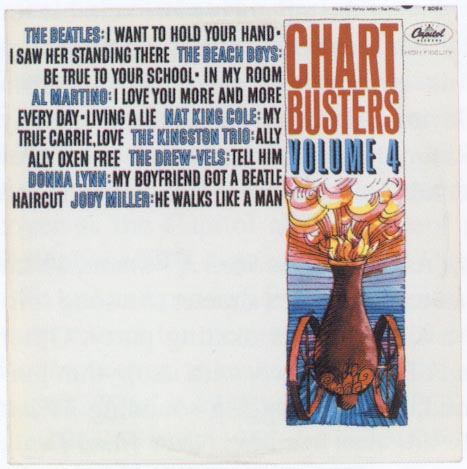 Capitol Records then released a compilation album entitled “Chart Busters Volume 4” on May 4th, 1964, this LP also featuring “I Saw Her Standing There.” Sales were minimal in comparison to their other Beatles releases, but it nonetheless counts as an official American release of the song, this album being quite hard to find today. Capitol Records then released a compilation album entitled “Chart Busters Volume 4” on May 4th, 1964, this LP also featuring “I Saw Her Standing There.” Sales were minimal in comparison to their other Beatles releases, but it nonetheless counts as an official American release of the song, this album being quite hard to find today.
 Vee-Jay records then re-released the “Introducing…The Beatles” album, including “I Saw Her Standing There,” in two additional forms. The first was the double album called “The Beatles vs. The Four Seasons” on October 1st, 1964, which sold quite terribly, only selling around 20,000 copies. The second was “Songs, Pictures And Stories Of The Fabulous Beatles” released on October 12th, 1964. This album sold more respectfully, selling approximately 400,000 copies and reaching #63 on the Billboard album chart, despite it being a desperate attempt at ripping-off the American record-buying public. As we see here, this worked quite well. Vee-Jay records then re-released the “Introducing…The Beatles” album, including “I Saw Her Standing There,” in two additional forms. The first was the double album called “The Beatles vs. The Four Seasons” on October 1st, 1964, which sold quite terribly, only selling around 20,000 copies. The second was “Songs, Pictures And Stories Of The Fabulous Beatles” released on October 12th, 1964. This album sold more respectfully, selling approximately 400,000 copies and reaching #63 on the Billboard album chart, despite it being a desperate attempt at ripping-off the American record-buying public. As we see here, this worked quite well.
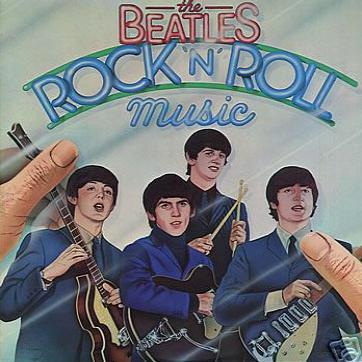 This song was released in one other form on a Capitol release, but not until June 7th, 1976. A compilation two-album set was released called “Rock ‘n’ Roll Music,” which was viewed as a companion piece to the set of “greatest hits” packages released in 1973, these affectionately becoming known as the "Red Album" and the "Blue Album." Capitol commissioned George Martin regarding the preparation of this album and, with access to only the '60s Capitol mixes, made a few noticeable alterations. The original stereo mix had all music on the left channel and all vocals on the right channel. For this album, George Martin centered the instruments in both channels and placed the vocal track slightly to the left. He also boosted the bass in the right channel and raised the treble in the left channel. This song was released in one other form on a Capitol release, but not until June 7th, 1976. A compilation two-album set was released called “Rock ‘n’ Roll Music,” which was viewed as a companion piece to the set of “greatest hits” packages released in 1973, these affectionately becoming known as the "Red Album" and the "Blue Album." Capitol commissioned George Martin regarding the preparation of this album and, with access to only the '60s Capitol mixes, made a few noticeable alterations. The original stereo mix had all music on the left channel and all vocals on the right channel. For this album, George Martin centered the instruments in both channels and placed the vocal track slightly to the left. He also boosted the bass in the right channel and raised the treble in the left channel.
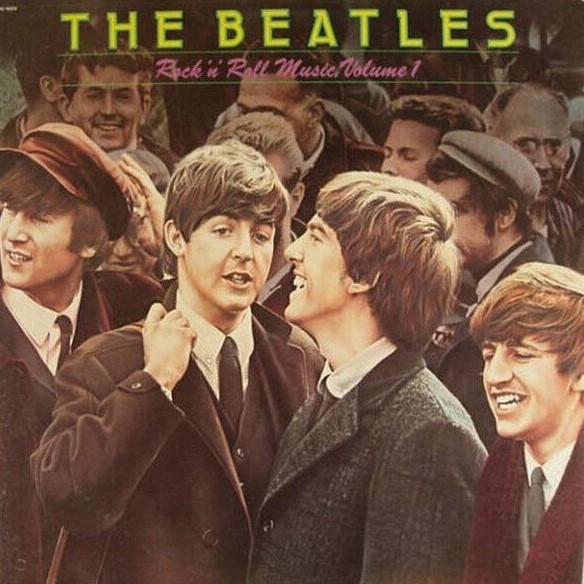 This double-album was extremely popular because of a wave of Beatles nostalgia hitting America at the time, propelling this release to the #2 position on the US Billboard album chart. The first album of the two-album set that featured “I Saw Her Standing There” was then released by itself by Capitol Records on October 27th, 1980 as a budget album under the title “Rock ‘n’ Roll Music Volume One.” This double-album was extremely popular because of a wave of Beatles nostalgia hitting America at the time, propelling this release to the #2 position on the US Billboard album chart. The first album of the two-album set that featured “I Saw Her Standing There” was then released by itself by Capitol Records on October 27th, 1980 as a budget album under the title “Rock ‘n’ Roll Music Volume One.”
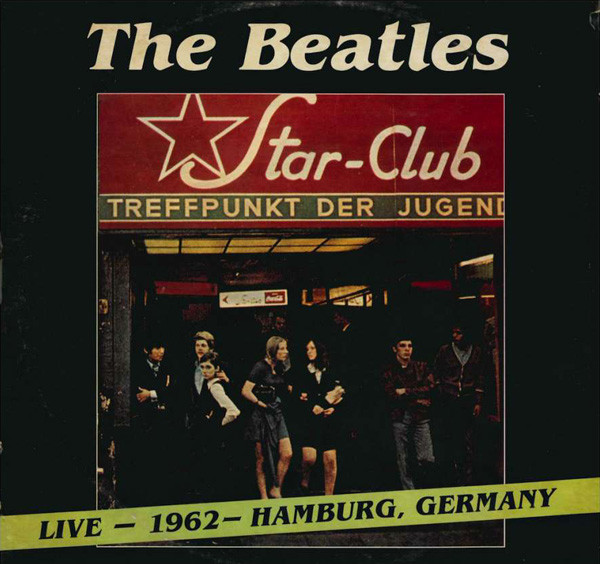 "Live 1962, Hamburg Germany" was a new double album released on the Hall Of Music record label in 1981. It contained a version of "I Saw Her Standing There" that the band recorded during the 1962 Christmas season in Hamburg onto a portable Grundig reel-to-reel tape recorder. "Live 1962, Hamburg Germany" was a new double album released on the Hall Of Music record label in 1981. It contained a version of "I Saw Her Standing There" that the band recorded during the 1962 Christmas season in Hamburg onto a portable Grundig reel-to-reel tape recorder.
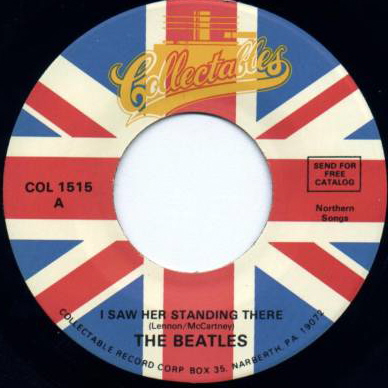 Sometime in 1982, the label Collectables released the same Hamburg recording of the song as the a-side of a single that featured "Can't Help It, Blue Angel (actually "Reminiscing") as the b-side. This short lived single is quite rare today. Sometime in 1982, the label Collectables released the same Hamburg recording of the song as the a-side of a single that featured "Can't Help It, Blue Angel (actually "Reminiscing") as the b-side. This short lived single is quite rare today.
The first time the original UK "Please Please Me" album was made available in America was on the "Original Master Recording" vinyl edition that was produced through Mobile Fidelity Sound Lab in January of 1987. This album included "I Saw Her Standing There" as its opening track and was prepared utilizing half-speed mastering technology from the original master tape on loan from EMI. This version of the album was only available for a short time and is quite collectible today.
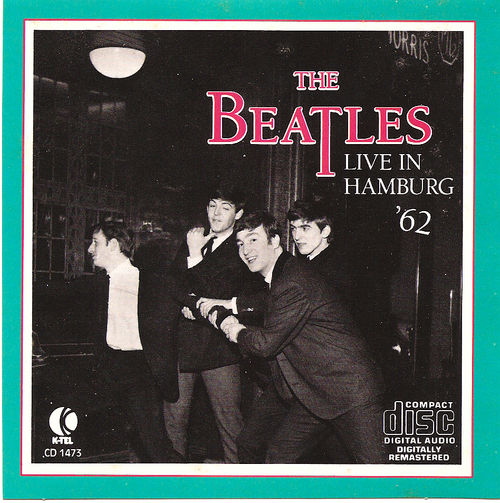 With the dawning of the compact disc era in the '80s, music fans were eagerly waiting for the delayed release of the Beatles catalog on CD. K-Tel Records thought to cash in on this expectation by coming out with "Live In Hamburg '62" in early February 1987, which was just prior to the release of the first four Beatles albums by Apple Records. A good amount of Beatles fans couldn't resist owning a live CD by their favorite group that featured 20 tracks including "I Saw Her Standing There," not realizing that this was such a lo-fi rough recording as released many times before on vinyl, as detailed above. With the dawning of the compact disc era in the '80s, music fans were eagerly waiting for the delayed release of the Beatles catalog on CD. K-Tel Records thought to cash in on this expectation by coming out with "Live In Hamburg '62" in early February 1987, which was just prior to the release of the first four Beatles albums by Apple Records. A good amount of Beatles fans couldn't resist owning a live CD by their favorite group that featured 20 tracks including "I Saw Her Standing There," not realizing that this was such a lo-fi rough recording as released many times before on vinyl, as detailed above.
The original British "Please Please Me" album, featuring "I Saw Her Standing There" as the first song, was released on compact disc on February 26th, 1987 and on vinyl on July 21st, 1987. This disc was released only in mono at the time, but a remastered stereo version came out on CD on September 9th, 2009 and then on vinyl on November 13th, 2012.
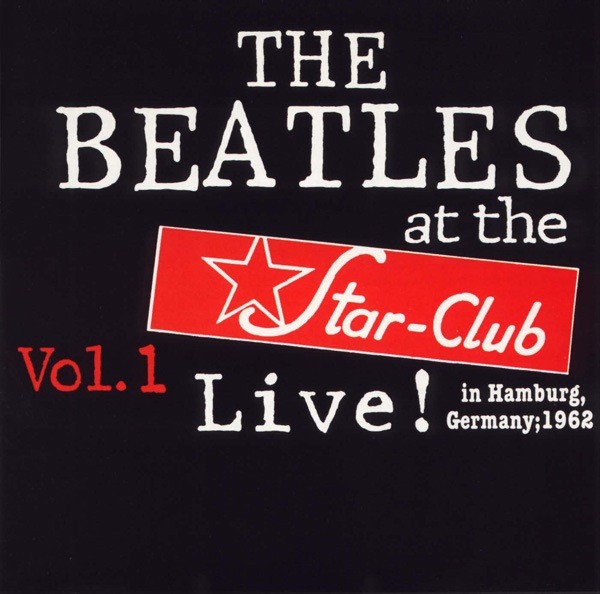 Sometime in 1991, Sony Music took it upon themselves to release two volumes of the 1962 Hamburg recordings, "Live! At The Star Club In Hamburg, Germany; 1962 (Vol. 1)" containing "I Saw Her Standing There." The release of these volumes prompted legal action from The Beatles, Sony discontinuing production of these volumes because of a lawsuit that had been filed. By 1998, The Beatles had won the right of ownership of these rough recordings, any releases surfacing after this point being illegally produced bootlegs. Sometime in 1991, Sony Music took it upon themselves to release two volumes of the 1962 Hamburg recordings, "Live! At The Star Club In Hamburg, Germany; 1962 (Vol. 1)" containing "I Saw Her Standing There." The release of these volumes prompted legal action from The Beatles, Sony discontinuing production of these volumes because of a lawsuit that had been filed. By 1998, The Beatles had won the right of ownership of these rough recordings, any releases surfacing after this point being illegally produced bootlegs.
 Then on June 30th, 1992, Capitol Records released the box set "Compact Disc EP Collection," which featured "I Saw Her Standing There" because of its inclusion on the original British EP "Beatles No. 1," which came out in their home country on November 1st, 1963 and reached #2 on the British charts. Then on June 30th, 1992, Capitol Records released the box set "Compact Disc EP Collection," which featured "I Saw Her Standing There" because of its inclusion on the original British EP "Beatles No. 1," which came out in their home country on November 1st, 1963 and reached #2 on the British charts.
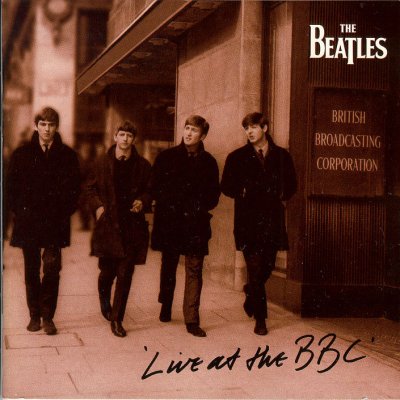 Then comes Apple Record's December 6th, 1994 release of “Live At The BBC,” which features their live performance of the song at the Playhouse Theatre in London on October 16th, 1963. This album peaked at #3 on the Billboard charts and sold well over 2 million copies. A remastered and re-packaged version of this album was released on November 11th, 2013. Next came “Anthology 1,” which was released in America on November 21st, 1995, and was reported as selling over one million copies in the first week. Over four million copies of the double album have been sold. This album features the song as performed at Karlaplansstudion in Stockholm, Sweden on October 24th, 1963. Then comes Apple Record's December 6th, 1994 release of “Live At The BBC,” which features their live performance of the song at the Playhouse Theatre in London on October 16th, 1963. This album peaked at #3 on the Billboard charts and sold well over 2 million copies. A remastered and re-packaged version of this album was released on November 11th, 2013. Next came “Anthology 1,” which was released in America on November 21st, 1995, and was reported as selling over one million copies in the first week. Over four million copies of the double album have been sold. This album features the song as performed at Karlaplansstudion in Stockholm, Sweden on October 24th, 1963.
 November 15th, 2004 saw another release of the song on the box set "The Capitol Albums, Vol. 1." The original "Meet The Beatles" album, in both stereo and "Type B" foldover mono as first released, was included in the set. November 15th, 2004 saw another release of the song on the box set "The Capitol Albums, Vol. 1." The original "Meet The Beatles" album, in both stereo and "Type B" foldover mono as first released, was included in the set.
On September 9th, 2009, the new CD box set "The Beatles In Mono" was released, featuring an extremely clear remastered recording of the mono "I Saw Her Standing There." The vinyl edition was first released on September 9th, 2014.
 Also released on September 9th, 2009 in order to promote the remastered Beatles catalog, the "09.09.09 Sampler" was duly distributed to retailers and radio programmers, "I Saw Her Standing There" being featured therein. This has become quite the find for collectors. Also released on September 9th, 2009 in order to promote the remastered Beatles catalog, the "09.09.09 Sampler" was duly distributed to retailers and radio programmers, "I Saw Her Standing There" being featured therein. This has become quite the find for collectors.
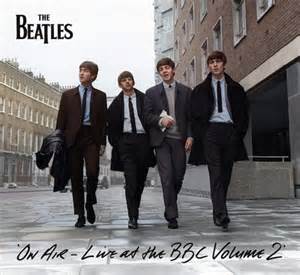 Then on November 11th, 2013, a BBC sequel entitled "On Air - Live At The BBC Volume 2" was released. This featured yet another version of the song as recorded for British radio, this one recorded on September 7th, 1963 for the fifth anniversary of the show "Saturday Club." This was a truncated version of the song (omitting the second bridge) but features an excellent guitar solo from George, arguably better than the one officially released on the "Please Please Me" album. Then on November 11th, 2013, a BBC sequel entitled "On Air - Live At The BBC Volume 2" was released. This featured yet another version of the song as recorded for British radio, this one recorded on September 7th, 1963 for the fifth anniversary of the show "Saturday Club." This was a truncated version of the song (omitting the second bridge) but features an excellent guitar solo from George, arguably better than the one officially released on the "Please Please Me" album.
Interestingly, two samplers for the above album were released at that time for promotional purposes, a five-song sampler and a fourteen-song sampler. Both included this newly available BBC recording of "I Saw Her Standing There."
 "I Saw Her Standing There" also saw much life in live releases by McCartney. The song was featured on the following live albums: "Tripping The Live Fantastic," "Tripping The Live Fantastic: Highlights!" and "Back In The US." Duets of the song with Billy Joel appeared on Paul's album "Good Evening New York City" and on Billy Joels's album "Live At Shea Stadium: The Concert." The song was also featured on a 2007 four-song vinyl release entitled "Amoeba's Secret" which comprised songs Paul performed live at Amoeba Music in Hollywood, California. "I Saw Her Standing There" from this release was nominated for a Grammy Award under the category "Best Solo Rock Vocal Performance." The "Amoeba's Secret" EP was released in February of 2009 just in time for the Grammy Award broadcast, and was then released as a full album entitled "Amoeba Gig" on July 12th, 2019, this release containing all 21 songs he performed at this California show. "I Saw Her Standing There" also saw much life in live releases by McCartney. The song was featured on the following live albums: "Tripping The Live Fantastic," "Tripping The Live Fantastic: Highlights!" and "Back In The US." Duets of the song with Billy Joel appeared on Paul's album "Good Evening New York City" and on Billy Joels's album "Live At Shea Stadium: The Concert." The song was also featured on a 2007 four-song vinyl release entitled "Amoeba's Secret" which comprised songs Paul performed live at Amoeba Music in Hollywood, California. "I Saw Her Standing There" from this release was nominated for a Grammy Award under the category "Best Solo Rock Vocal Performance." The "Amoeba's Secret" EP was released in February of 2009 just in time for the Grammy Award broadcast, and was then released as a full album entitled "Amoeba Gig" on July 12th, 2019, this release containing all 21 songs he performed at this California show.
 A live performance of the song by John Lennon with Elton John's band on November 28th, 1974 also came out in the US on various releases. It was first featured as the b-side of Elton John's single "Philadelphia Freedom," this being released on February 24th, 1975. And then came a four-CD compilation set entitled "Lennon," which came out on October 30th, 1990. Sometime in 1992, Elton's single "Don't Let The Sun Go Down On Me" was re-released on the Collectables label on red vinyl, the live Lennon performance of "I Saw Her Standing There" appearing as the b-side here as well. The song also appears on Elton John's November 8th, 1990 released box set "To Be Continued...," his October 20th, 1992 released compilation album "Rare Masters," as a bonus track on the 1995 reissued CD release of Elton's live album "Here And There, as well as on the CD Single for Elton John's song "Made In England," which also saw a 1995 release. A live performance of the song by John Lennon with Elton John's band on November 28th, 1974 also came out in the US on various releases. It was first featured as the b-side of Elton John's single "Philadelphia Freedom," this being released on February 24th, 1975. And then came a four-CD compilation set entitled "Lennon," which came out on October 30th, 1990. Sometime in 1992, Elton's single "Don't Let The Sun Go Down On Me" was re-released on the Collectables label on red vinyl, the live Lennon performance of "I Saw Her Standing There" appearing as the b-side here as well. The song also appears on Elton John's November 8th, 1990 released box set "To Be Continued...," his October 20th, 1992 released compilation album "Rare Masters," as a bonus track on the 1995 reissued CD release of Elton's live album "Here And There, as well as on the CD Single for Elton John's song "Made In England," which also saw a 1995 release.
 On December 17th, 2013, iTunes released a 59 track compilation album that they called "Bootleg Recordings 1963" only made available on their downloading platform. Three versions of "I Saw Her Standing There" are included in this set, "take two" of the group's February 11th, 1963 EMI recording session is first followed by two 1963 BBC performances, the first being the March 16th version for the program "Saturday Club" and the second being the September 24th rendition for the show "Pop Goes The Beatles." The purpose of this release was to extend the copyright of these recordings under European Union law from 50 years (which would have expired at the end of 2013) to 70 years (until 2033), this being considered an official release. This compilation album was only available in the US on that date to those in the know for a number of hours for $39.99 in its entirety or to be purchased as individual tracks, but was later made available for purchase as well. On December 17th, 2013, iTunes released a 59 track compilation album that they called "Bootleg Recordings 1963" only made available on their downloading platform. Three versions of "I Saw Her Standing There" are included in this set, "take two" of the group's February 11th, 1963 EMI recording session is first followed by two 1963 BBC performances, the first being the March 16th version for the program "Saturday Club" and the second being the September 24th rendition for the show "Pop Goes The Beatles." The purpose of this release was to extend the copyright of these recordings under European Union law from 50 years (which would have expired at the end of 2013) to 70 years (until 2033), this being considered an official release. This compilation album was only available in the US on that date to those in the know for a number of hours for $39.99 in its entirety or to be purchased as individual tracks, but was later made available for purchase as well.
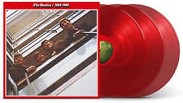 A 50th Anniversay edition of "The Beatles / 1962 - 1966" (aka "The Red Album") was released on November 10th, 2023. This expanded set included 12 additional songs for a grand total of 38 tracks, including the new mix of "I Saw Her Standing There" detailed above, and was made available as a double CD and as a triple vinyl release on both black and red vinyl, the new Giles Martin mixes being featured throughout. A 50th Anniversay edition of "The Beatles / 1962 - 1966" (aka "The Red Album") was released on November 10th, 2023. This expanded set included 12 additional songs for a grand total of 38 tracks, including the new mix of "I Saw Her Standing There" detailed above, and was made available as a double CD and as a triple vinyl release on both black and red vinyl, the new Giles Martin mixes being featured throughout.
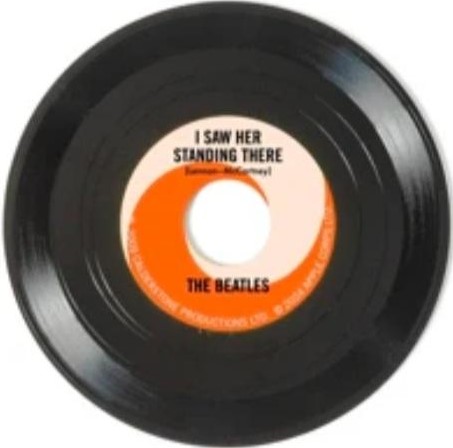 On April 20th, 2024, Apple Records released "I Saw Her Standing There" as one of four 3" singles on Record Store Day as an "RSD Exclusive Release." Only 1500 copies each were made of these limited edition releases which can only be played on 3" turntables, Crosley Manufacturing also releasing a limited edition package on this day including a special Beatles Mini Turntable, record carrying case and all four Beatles singles. These releases were made in celebration of the 60th Anniversary of The Beatles' first appearance on the Ed Sullivan Show on February 9th, 1964. On April 20th, 2024, Apple Records released "I Saw Her Standing There" as one of four 3" singles on Record Store Day as an "RSD Exclusive Release." Only 1500 copies each were made of these limited edition releases which can only be played on 3" turntables, Crosley Manufacturing also releasing a limited edition package on this day including a special Beatles Mini Turntable, record carrying case and all four Beatles singles. These releases were made in celebration of the 60th Anniversary of The Beatles' first appearance on the Ed Sullivan Show on February 9th, 1964.
 On November 21st, 2025, "Anthology 4" was released on both CD and vinyl, this also being made available within the "Anthology Collection" box set on CD and on vinyl. "Take two" of "I Saw Her Standing There" as recorded at EMI Studios on February 11th, 1963 was included here as it was in the "Bootleg Recordings 1963" iTunes package detailed above. On November 21st, 2025, "Anthology 4" was released on both CD and vinyl, this also being made available within the "Anthology Collection" box set on CD and on vinyl. "Take two" of "I Saw Her Standing There" as recorded at EMI Studios on February 11th, 1963 was included here as it was in the "Bootleg Recordings 1963" iTunes package detailed above.
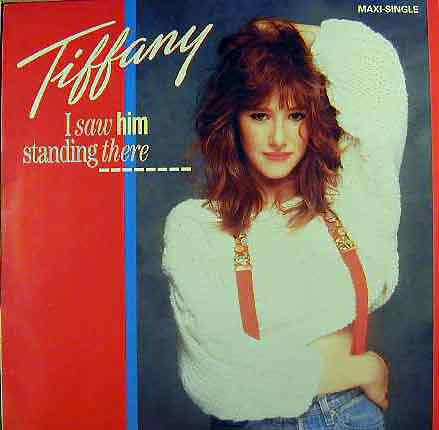 Although the song has been covered numerous times (by artists such as Jerry Garcia, The Tubes, Bob Welch, Cliff Richard, The Chipmunks and even George Martin himself), the most noteworthy is a cover version by teen superstar Tiffany, whose version, titled “I Saw Him Standing There” peaked at #7 on the Billboard Hot 100 in 1988. This would be the highest placement of the song on the charts, making it a confirmed Top 10 hit in the US. In spite of the popularity of this version at the time, there is no doubt that the original Beatles version has made the greater impact on American audiences to date. Although the song has been covered numerous times (by artists such as Jerry Garcia, The Tubes, Bob Welch, Cliff Richard, The Chipmunks and even George Martin himself), the most noteworthy is a cover version by teen superstar Tiffany, whose version, titled “I Saw Him Standing There” peaked at #7 on the Billboard Hot 100 in 1988. This would be the highest placement of the song on the charts, making it a confirmed Top 10 hit in the US. In spite of the popularity of this version at the time, there is no doubt that the original Beatles version has made the greater impact on American audiences to date.
Live Performances
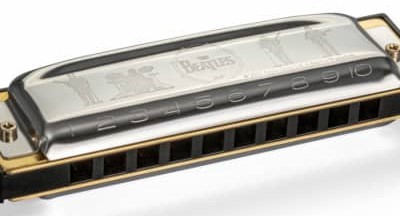 There is no doubt that they performed the song in their “stage act” reperetoire shortly after its writing was complete, even though they hadn't quite decided on the song's title yet. Beatles fan Sue Houghton remembers Paul introducing the song at Liverpool's Cavern Club saying, "We're gonna do that 'I saw her standing there' one which we do." An early rehearsal of the song that was recorded at the Cavern Club (possibly on December 9th, 1962) reveals Lennon playing harmonica throughout, but this was dropped in favor of a full guitar arrangement shortly thereafter. There is no doubt that they performed the song in their “stage act” reperetoire shortly after its writing was complete, even though they hadn't quite decided on the song's title yet. Beatles fan Sue Houghton remembers Paul introducing the song at Liverpool's Cavern Club saying, "We're gonna do that 'I saw her standing there' one which we do." An early rehearsal of the song that was recorded at the Cavern Club (possibly on December 9th, 1962) reveals Lennon playing harmonica throughout, but this was dropped in favor of a full guitar arrangement shortly thereafter.
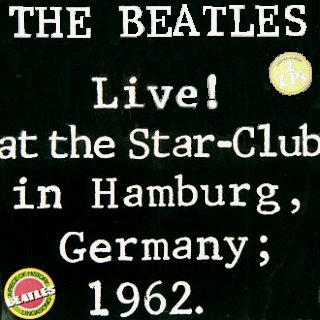 The song was definitely performed in Hamburg, Germany, during their late 1962 dates (Dec. 25th, 28th and 31st), as evidenced in the song’s inclusion on the British version of the album “Live! at the Star Club, Hamburg, Germany; 1962,” recorded during this 1962 Chrismas season but released in the UK on May 2nd, 1977. The US version of the album did not contain the song, probably due to avoiding royalty payments or copyright infringement because of the song being a McCartney / Lennon composition. In 1981, the US record label Hall Of Music apparently felt no such pang of conscience in their release of the "Live 1962, Hamburg Germany" album mentioned above, this also including the same early live Hamburg performance of "I Saw Her Standing There." The song was definitely performed in Hamburg, Germany, during their late 1962 dates (Dec. 25th, 28th and 31st), as evidenced in the song’s inclusion on the British version of the album “Live! at the Star Club, Hamburg, Germany; 1962,” recorded during this 1962 Chrismas season but released in the UK on May 2nd, 1977. The US version of the album did not contain the song, probably due to avoiding royalty payments or copyright infringement because of the song being a McCartney / Lennon composition. In 1981, the US record label Hall Of Music apparently felt no such pang of conscience in their release of the "Live 1962, Hamburg Germany" album mentioned above, this also including the same early live Hamburg performance of "I Saw Her Standing There."
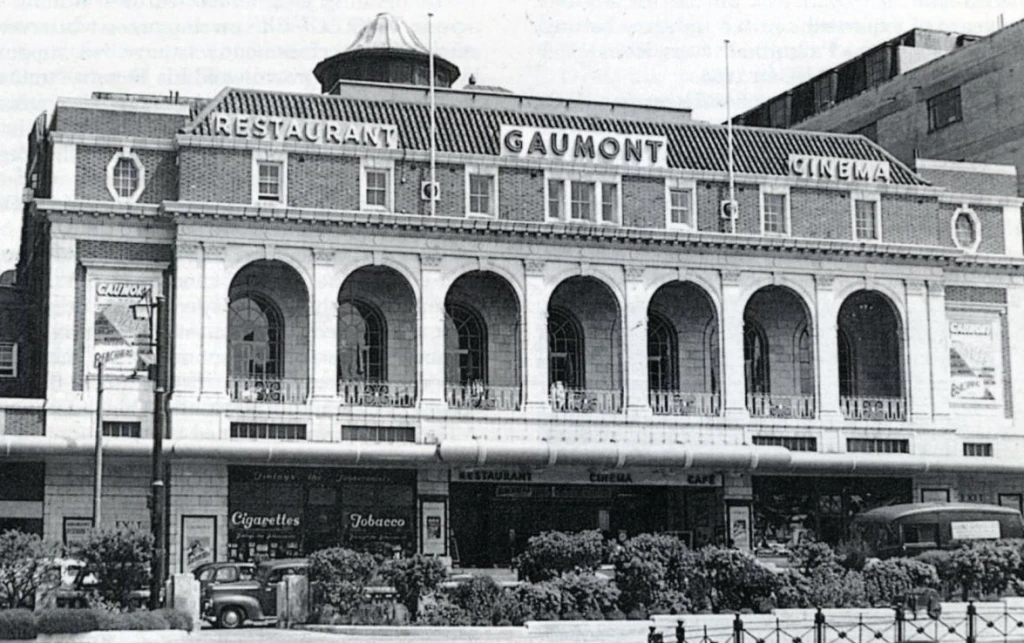 They continued to perform "I Saw Her Standing There" after its British album release in 1963. It was a staple in their set list throughout the year, such as their six night residency at the Gaumont Cinema in Bournemouth, England. They continued to perform "I Saw Her Standing There" after its British album release in 1963. It was a staple in their set list throughout the year, such as their six night residency at the Gaumont Cinema in Bournemouth, England.
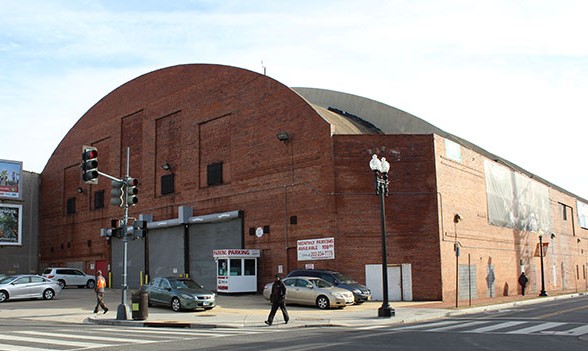 The Beatles played the song at their legendary first US concert at Washington Coliseum on February 11th, 1964, and again at Carnegie Hall the next day (Feb. 12th). They also played it on various June dates during their world tour in mid 1964, such as during their Copenhagen, Denmark show on June 4th, on June 6th in The Netherlands, June 12th and 13th in Adelaide, Australia, and June 15th through 17th in Melbourne, Australia. They discontinued performing the song shortly after June 1964, as their Fall 1964 dates do not show the song in their set list. The Beatles played the song at their legendary first US concert at Washington Coliseum on February 11th, 1964, and again at Carnegie Hall the next day (Feb. 12th). They also played it on various June dates during their world tour in mid 1964, such as during their Copenhagen, Denmark show on June 4th, on June 6th in The Netherlands, June 12th and 13th in Adelaide, Australia, and June 15th through 17th in Melbourne, Australia. They discontinued performing the song shortly after June 1964, as their Fall 1964 dates do not show the song in their set list.
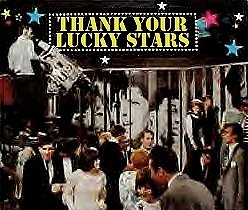 As for TV appearances, The Beatles performed "I Saw Her Standing There" a total of seven times in various countries. The first was on May 12th, 1963 on the British show "Thank Your Lucky Stars," a mimed performance that aired on May 18th of that year. Then they mimed it again on June 23rd of that year for "Lucky Stars (Summer Spin)," this being broadcast on June 29th. Next was the Swedish show "Drop In" which was filmed on October 30th, 1963 and aired on November 3rd in that country. As for TV appearances, The Beatles performed "I Saw Her Standing There" a total of seven times in various countries. The first was on May 12th, 1963 on the British show "Thank Your Lucky Stars," a mimed performance that aired on May 18th of that year. Then they mimed it again on June 23rd of that year for "Lucky Stars (Summer Spin)," this being broadcast on June 29th. Next was the Swedish show "Drop In" which was filmed on October 30th, 1963 and aired on November 3rd in that country.
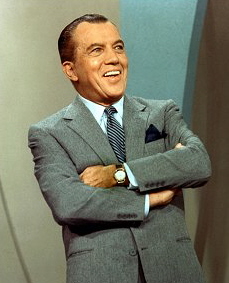 A live performance at the Empire Theatre in Liverpool on December 7th, 1963 that featured the song became part of a TV show entitled "It's The Beatles!" which was broadcast later that same evening. Then over to America with two performances of the song on "The Ed Sullivan Show," the first live broadcast from New York City on February 9th, 1964 and the second from Miami on February 16th, 1964. And finally, a live concert featuring the song on June 17th, 1964 in Melbourne, Australia was broadcast in that country on July 1st of that year, the show being called "The Beatles Sing For Shell." A live performance at the Empire Theatre in Liverpool on December 7th, 1963 that featured the song became part of a TV show entitled "It's The Beatles!" which was broadcast later that same evening. Then over to America with two performances of the song on "The Ed Sullivan Show," the first live broadcast from New York City on February 9th, 1964 and the second from Miami on February 16th, 1964. And finally, a live concert featuring the song on June 17th, 1964 in Melbourne, Australia was broadcast in that country on July 1st of that year, the show being called "The Beatles Sing For Shell."
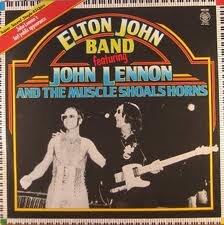 The performing history of the song now goes to November 28th, 1974, as John Lennon appears as a surprise guest performer at an Elton John Concert. Of the three songs Lennon performed on this day, “I Saw Her Standing There” was the last, John introducing it with the words: "I'd like to thank Elton and the boys for having me on tonight. We tried to think of a number to finish off with so I can get out of here and be sick, and we thought we'd do a number of an old estranged fiancé of mine called Paul. This is one I never sang. It's an old Beatle number, and we just about know it.” Ironic considering this song's lyrics, John reunited with his wife Yoko Ono backstage after the show. The performing history of the song now goes to November 28th, 1974, as John Lennon appears as a surprise guest performer at an Elton John Concert. Of the three songs Lennon performed on this day, “I Saw Her Standing There” was the last, John introducing it with the words: "I'd like to thank Elton and the boys for having me on tonight. We tried to think of a number to finish off with so I can get out of here and be sick, and we thought we'd do a number of an old estranged fiancé of mine called Paul. This is one I never sang. It's an old Beatle number, and we just about know it.” Ironic considering this song's lyrics, John reunited with his wife Yoko Ono backstage after the show.
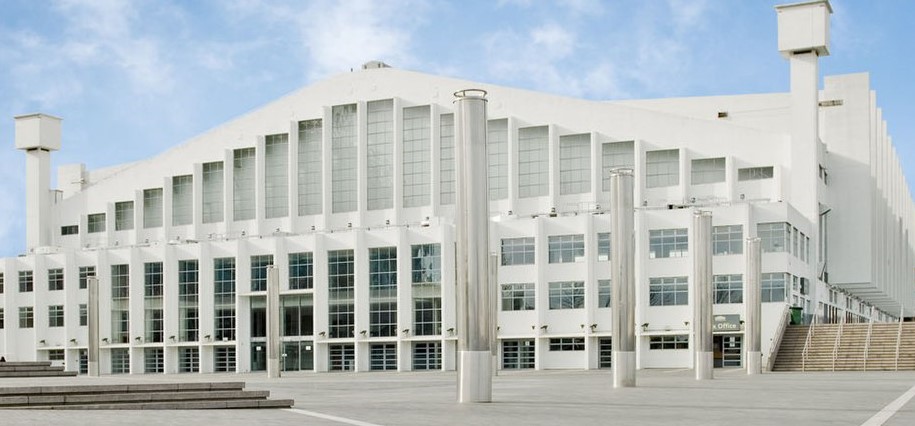 On June 20th, 1986, Paul returned to a concert stage after nearly a six and a half year absence in order to perform at Wembley Arena in London for the 1986 Prince's Trust Rock Gala. The first of three songs Paul played with the group of All-Stars present on the stage was "I Saw Her Standing There," also featuring Elton John, Eric Clapton, Brian Adams, Phil Collins, Mark Knofler and many others. On June 20th, 1986, Paul returned to a concert stage after nearly a six and a half year absence in order to perform at Wembley Arena in London for the 1986 Prince's Trust Rock Gala. The first of three songs Paul played with the group of All-Stars present on the stage was "I Saw Her Standing There," also featuring Elton John, Eric Clapton, Brian Adams, Phil Collins, Mark Knofler and many others.
 An amazing show-stopping performance of “I Saw Her Standing There” was performed by a huge star-studded band on January 20th, 1988 at the 1988 Rock And Roll Hall Of Fame Induction Ceremony in New York City. Both George Harrison and Ringo Starr played on stage with the likes of Billy Joel, Mick Jagger, Bob Dylan, Bruce Springsteen and many more. Jeff Beck jumped in with a lead guitar solo while lead vocals were split between Billy Joel, Mick Jagger and Bruce Springsteen, sometimes with George joining in. George even performed the trademark Beatles ‘head shake’ during the verses. An amazing show-stopping performance of “I Saw Her Standing There” was performed by a huge star-studded band on January 20th, 1988 at the 1988 Rock And Roll Hall Of Fame Induction Ceremony in New York City. Both George Harrison and Ringo Starr played on stage with the likes of Billy Joel, Mick Jagger, Bob Dylan, Bruce Springsteen and many more. Jeff Beck jumped in with a lead guitar solo while lead vocals were split between Billy Joel, Mick Jagger and Bruce Springsteen, sometimes with George joining in. George even performed the trademark Beatles ‘head shake’ during the verses.
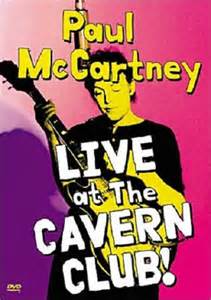 “I Saw Her Standing There” has been a mainstay in all of Paul McCartney’s live tours from 1989 through 2004, these including his "World Tour" (September 26th, 1989 to July 29th, 1990), his "Unplugged Tour 1991" (May 8th to July 24th), his 1993 "New World Tour" (Feb.18th to Dec. 16th), his 2002 "Driving World" tour (April 1st to Nov. 18th), his 2003 "Back In The World" tour (March 25th to June 1st), and his "'04 Summer Tour" (May 25th to June 26th). Also of note here is Paul's triumphant return to Liverpool's Cavern Club on December 14th, 1999 (as seen on the concert movie “Paul McCartney Live At The Cavern Club”) where he also performs the song. "I Saw Her Standing There" was also included as his encore at the "Party At The Palace" event in London on June 3rd, 2002 during the "Grand Jubilee Of Queen Elizabeth II," the Queen herself being in attendance. He then retired the song from his set lists as of 2005 with the exception of his “Los Angeles Secret Show” at Amoeba Music on June 27th, 2007 (which appeared on his “Amoeba's Secret” EP and "Amoeba Gig" album) and its subsequent performance on February 8th, 2009 for the 51st Grammy Awards Show. He then periodically included the song during the earlier legs of his "Out There!" tour (May 4th, 2013 to Nov. 26th, 2014), his "One On One" tour (April 13th, 2016 to Dec. 16th, 2017), his "Freshen Up" tour (Sept. 17th, 2018 to July 13th, 2019), and during the encore of many performances of the 2023 leg of his "Got Back" tour (October 28th to December 16th). “I Saw Her Standing There” has been a mainstay in all of Paul McCartney’s live tours from 1989 through 2004, these including his "World Tour" (September 26th, 1989 to July 29th, 1990), his "Unplugged Tour 1991" (May 8th to July 24th), his 1993 "New World Tour" (Feb.18th to Dec. 16th), his 2002 "Driving World" tour (April 1st to Nov. 18th), his 2003 "Back In The World" tour (March 25th to June 1st), and his "'04 Summer Tour" (May 25th to June 26th). Also of note here is Paul's triumphant return to Liverpool's Cavern Club on December 14th, 1999 (as seen on the concert movie “Paul McCartney Live At The Cavern Club”) where he also performs the song. "I Saw Her Standing There" was also included as his encore at the "Party At The Palace" event in London on June 3rd, 2002 during the "Grand Jubilee Of Queen Elizabeth II," the Queen herself being in attendance. He then retired the song from his set lists as of 2005 with the exception of his “Los Angeles Secret Show” at Amoeba Music on June 27th, 2007 (which appeared on his “Amoeba's Secret” EP and "Amoeba Gig" album) and its subsequent performance on February 8th, 2009 for the 51st Grammy Awards Show. He then periodically included the song during the earlier legs of his "Out There!" tour (May 4th, 2013 to Nov. 26th, 2014), his "One On One" tour (April 13th, 2016 to Dec. 16th, 2017), his "Freshen Up" tour (Sept. 17th, 2018 to July 13th, 2019), and during the encore of many performances of the 2023 leg of his "Got Back" tour (October 28th to December 16th).
 Paul played a special show on June 1st, 2008 at Anfield Stadium in Liverpool, England for the town's "Liverpool Sound" celebration, performing "I Saw Her Standing There" as the final encore number featuring Dave Grohl from The Foo Fighters on drums. McCartney then twice performed "I Saw Her Standing There" as a duet with Billy Joel, the first time on July 16th, 2008 at Billy's Shea Stadium concert in New York City, which was a complete impromptu performance that Paul flown in for at the last minute for the very last show ever performed at this legendary venue. He then performed the song again with Billy Joel on July 17th, 2009 at Citi Field in New York City. Paul played a special show on June 1st, 2008 at Anfield Stadium in Liverpool, England for the town's "Liverpool Sound" celebration, performing "I Saw Her Standing There" as the final encore number featuring Dave Grohl from The Foo Fighters on drums. McCartney then twice performed "I Saw Her Standing There" as a duet with Billy Joel, the first time on July 16th, 2008 at Billy's Shea Stadium concert in New York City, which was a complete impromptu performance that Paul flown in for at the last minute for the very last show ever performed at this legendary venue. He then performed the song again with Billy Joel on July 17th, 2009 at Citi Field in New York City.
 Paul and Ringo have also teamed up onstage to perform the song as well. On April 4th, 2009, they appeared live at Radio City Music Hall in New York City during a benefit run by David Lynch to encourage education in Transcendental Meditation in public schools. After Paul introduced Ringo to sing “With A Little Help From My Friends” with the band, both of them performed “I Saw Her Standing There” together on stage for the first time since 1964. Paul and Ringo have also teamed up onstage to perform the song as well. On April 4th, 2009, they appeared live at Radio City Music Hall in New York City during a benefit run by David Lynch to encourage education in Transcendental Meditation in public schools. After Paul introduced Ringo to sing “With A Little Help From My Friends” with the band, both of them performed “I Saw Her Standing There” together on stage for the first time since 1964.
McCartney paid a surprise visit to Bruce Springsteen's performance at the Hard Rock Calling show on July 14th, 2012 at Hyde Park in London to perform two songs, "I Saw Her Standing There" and "Twist And Shout."
On January 27th, 2014, Paul and his current band played "I Saw Her Standing There" at the Los Angeles Convention Center for the 50th Anniversary of The Beatles' appearance on The Ed Sullivan Show, which was aired on CBS on February 9th of that year.
 A Florida wedding band who call themselves "Phase 5" got the biggest surprise of their local career when, at a graduation party they were hired for on May 8th, 2015, attendee Paul McCartney jumped up on stage with them. They first performed an impromptu blues song that Paul made up the lyrics for on the spot that was dedicated to the new graduate, then launching into a shortened rendition of "I Saw Her Standing There" with "Phase 5" as his newest backing group. "He really wanted to do '(I) Saw Her Standing There,' but we had never played it," "Phase 5" frontman Josh Walther recalls. "Our piano player pulled up a chart off the internet and we just totally winged it. It turned out great!" McCartney then complemented the band and thanked them for the opportunity to sing with them. They replied, "No, thank you!" A Florida wedding band who call themselves "Phase 5" got the biggest surprise of their local career when, at a graduation party they were hired for on May 8th, 2015, attendee Paul McCartney jumped up on stage with them. They first performed an impromptu blues song that Paul made up the lyrics for on the spot that was dedicated to the new graduate, then launching into a shortened rendition of "I Saw Her Standing There" with "Phase 5" as his newest backing group. "He really wanted to do '(I) Saw Her Standing There,' but we had never played it," "Phase 5" frontman Josh Walther recalls. "Our piano player pulled up a chart off the internet and we just totally winged it. It turned out great!" McCartney then complemented the band and thanked them for the opportunity to sing with them. They replied, "No, thank you!"
 Something similar happened once again on June 16th, 2018 when McCartney and his wife Nancy Shevell were attending her nephew's wedding ceremony that was held at Fresh Meadow Country Club in Long Island, New York. McCartney took it upon himself to join in with the hired band and run through "I Saw Her Standing There" while he sang lead before the 300 guests, the bride and groom dancing in front of them. Something similar happened once again on June 16th, 2018 when McCartney and his wife Nancy Shevell were attending her nephew's wedding ceremony that was held at Fresh Meadow Country Club in Long Island, New York. McCartney took it upon himself to join in with the hired band and run through "I Saw Her Standing There" while he sang lead before the 300 guests, the bride and groom dancing in front of them.
 On yet another occasion, on November 23rd, 2019, while in attendance at a party with his wife Nancy Shevell at the Hudson House event facility in Jersey City, New Jersey, Paul took to the stage with the hired band to sing "I Saw Her Standing There." They both were attending the New England Motor Freight holiday party (Nancy Shevell being an executive of this trucking company that is owned by her family) when McCartney decided to join in with the band on this song while she danced along and most attendees recorded the occasion on their cell phones. On yet another occasion, on November 23rd, 2019, while in attendance at a party with his wife Nancy Shevell at the Hudson House event facility in Jersey City, New Jersey, Paul took to the stage with the hired band to sing "I Saw Her Standing There." They both were attending the New England Motor Freight holiday party (Nancy Shevell being an executive of this trucking company that is owned by her family) when McCartney decided to join in with the band on this song while she danced along and most attendees recorded the occasion on their cell phones.
 McCartney delivered yet another impromptu performance of this song on August 20th, 2024 at Stephen Talkhouse in Amagansette New York, a rather intimate venue located in The Hamptons. Recording producer Andrew Watt, Red Hot Chili Pepper's drummer Chad Smith, legendary guitarist G.E. Smith and a few others were already performing on stage when the ex-Beatle decided to grab a microphone and lead the group through "I Saw Her Standing There" as the crowd, as well as the band, went wild. Ryan Sherman of Three Mile Media reported that Paul "dropped the mic when he finished like a rap battle and walked off...Mind blown, one of the coolest things we've all ever seen!" McCartney delivered yet another impromptu performance of this song on August 20th, 2024 at Stephen Talkhouse in Amagansette New York, a rather intimate venue located in The Hamptons. Recording producer Andrew Watt, Red Hot Chili Pepper's drummer Chad Smith, legendary guitarist G.E. Smith and a few others were already performing on stage when the ex-Beatle decided to grab a microphone and lead the group through "I Saw Her Standing There" as the crowd, as well as the band, went wild. Ryan Sherman of Three Mile Media reported that Paul "dropped the mic when he finished like a rap battle and walked off...Mind blown, one of the coolest things we've all ever seen!"
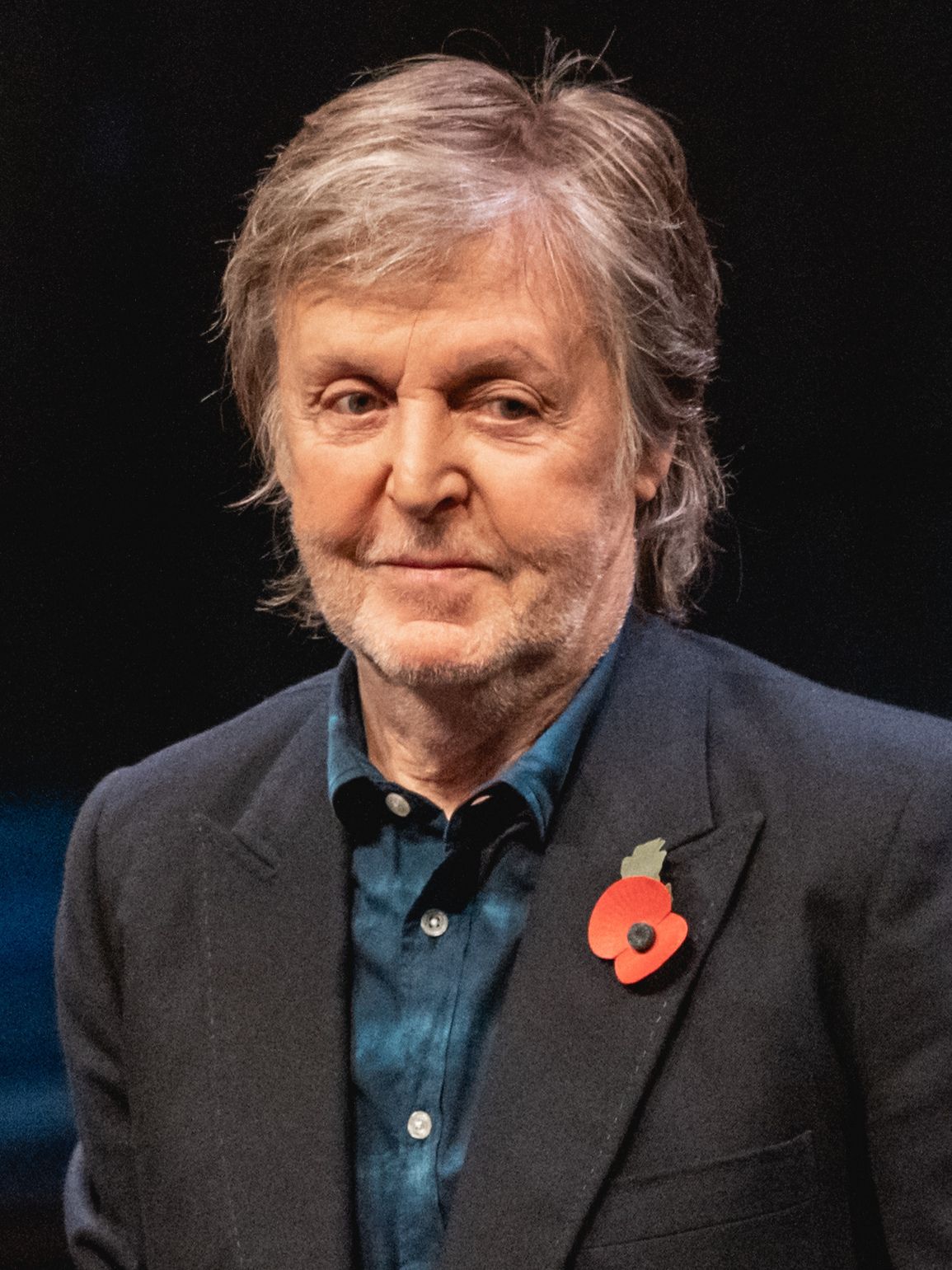 In his book "The Lyrics," Paul stated: "Singing it now - and this happens with all the Beatles songs I sing, particularly from the earlier period - I realize I am reviewing the work of an eighteen-to-twenty-year-old-boy. I think this is very interesting because it's got a naivete - a kind of innocence - that you can't invent." In his book "The Lyrics," Paul stated: "Singing it now - and this happens with all the Beatles songs I sing, particularly from the earlier period - I realize I am reviewing the work of an eighteen-to-twenty-year-old-boy. I think this is very interesting because it's got a naivete - a kind of innocence - that you can't invent."
Conclusion
 In retrospect, this song was a definitive representation of The Beatles' sound. With this one song, the band set on vinyl the sheer excitement created in Liverpool of the “beat music” craze, while we here in the US naturally recognized this as the epitome of good old “rock and roll,” but with a twist. The avid American listener acknowledges the exotic young Liverpool accents as a British phenomenon unlike anything heard before, and saw in it a distinctiveness that we dubbed the “British Invasion.” In retrospect, this song was a definitive representation of The Beatles' sound. With this one song, the band set on vinyl the sheer excitement created in Liverpool of the “beat music” craze, while we here in the US naturally recognized this as the epitome of good old “rock and roll,” but with a twist. The avid American listener acknowledges the exotic young Liverpool accents as a British phenomenon unlike anything heard before, and saw in it a distinctiveness that we dubbed the “British Invasion.”
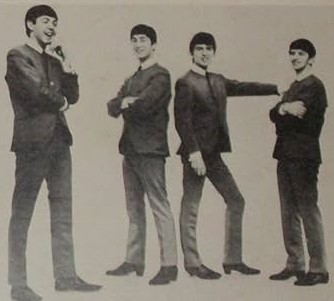 But for The Beatles themselves, they were just that…themselves. The band was only reflecting what was happening around them back at home musically. They just admired the music that they admired, and played the music they played. It finally became clear that the timing was NOW right for The Beatles to make an impact in the United States. And that they did, with the help of the irresistible “I Saw Her Standing There.” But for The Beatles themselves, they were just that…themselves. The band was only reflecting what was happening around them back at home musically. They just admired the music that they admired, and played the music they played. It finally became clear that the timing was NOW right for The Beatles to make an impact in the United States. And that they did, with the help of the irresistible “I Saw Her Standing There.”
Song Summary
“I Saw Her Standing There”
Written by: Paul McCartney / John Lennon
- Song Written: October 22nd - November 1962
- Song Recorded: February 11, 1963
- First US Release Date: December 26, 1963
- US Single Release: Capitol #5112 (b-side to “I Want To Hold Your Hand”)
- Highest Chart Position: #14
- First US Album Release: Vee Jay #VJLP 1062 “Introducing…The Beatles”
- British Album Release: Parlophone #PCS3042 “Please Please Me”
- Length: 2:52
- Key: E major
- Producer: George Martin
- Engineers: Norman Smith, Richard Langham
Instrumentation (most likely):
- Paul McCartney - Lead Vocals, Bass Guitar (1961 Hofner 500/1), handclaps
- John Lennon – Rhythm Guitar (1958 Rickenbacher 325), Harmony Vocals, handclaps
- George Harrison – Lead Guitar (1957 Gretsch Duo Jet), handclaps
- Ringo Starr – Drums (1960 Premier 58/54 Mahogany), handclaps
Written and compiled by Dave Rybaczewski
|
IF YOU WOULD LIKE TO MAKE A DONATION TO KEEP THIS WEBSITE UP AND RUNNING, PLEASE CLICK BELOW!
Sign Up Below for our MONTHLY BEATLES TRIVIA QUIZ!
|